The Town that Twilight Built

I’m vacationing in the State of Washington this week, and I had a fantastic day yesterday– I went to Neah Bay, something I’ve wanted to do for a long time.

Tonight, I’m in the land of vampires–

250px-Mr_Edward_Cullen[1]


Forks, Washington.

The setting of Twilight. And Twilight is a big deal here. A very big deal.

Luckily, I picked a good day to visit the small town of Forks– according to this gas station sign, the Vampire Threat Level right now is only Medium.

100_1867


But more on the vampires in a minute. I want to talk about Neah Bay first.

The old fishing town of Neah Bay is the center of the Makah Indian Reservation, located 75 miles west of Port Angeles. Neah Bay isn’t much of a town– a lot of rundown homes and trailers, battered automobiles and yards full of rusty, broken things. I asked Greg to drive around town a bit, and we bottomed-out the Prius in a hole in the road by the school.

Greg was pissed about that. He didn’t understand why I wanted to tour Neah Bay at all, and bottoming-out the car made him lose it. “Why are we doing this?? Are you trying to wreck the car??” So I said, okay, fine, let’s just go to the cultural center.

On the way, Greg stopped at this shop to buy some smoked king salmon–

100_1841


which used a smoker made of two 55-gallon drums welded together, and burned alder wood for the smoke. That’s a bath tub propped up near the door, and there were about six small dogs and puppies running around. They were really cute!

After that, we drove to the Makah Museum, also known as the Makah Cultural & Research Center. This is the welcome sign by the road.
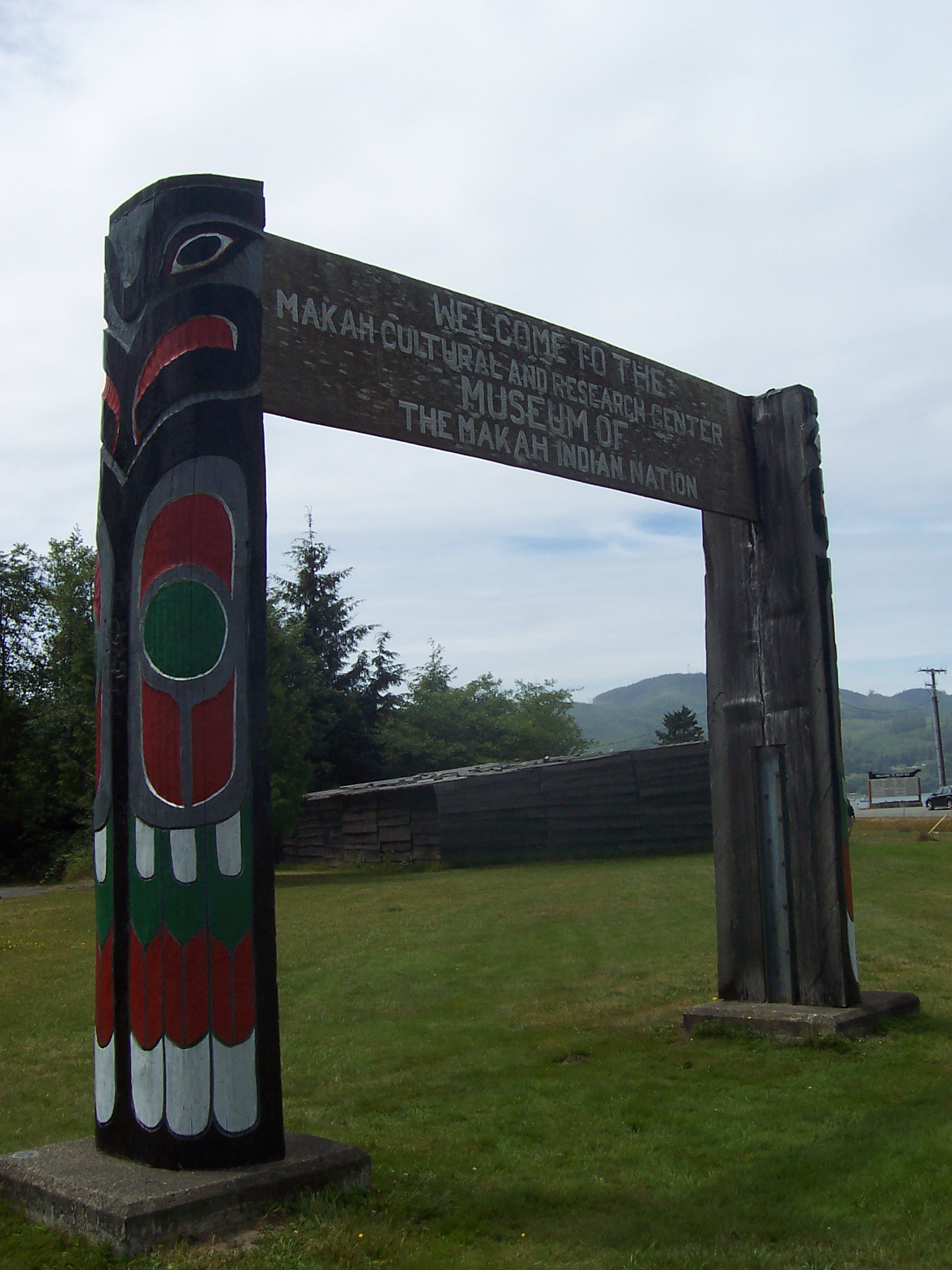
100_1829


Five hundred years ago, a mudslide buried the Makah village of Ozette (a coastal village not far from Neah Bay), and the Ozette site was unearthed by archaeologists in the 1970s. They discovered an amazing wealth of objects preserved in the mud– including a dog hair blanket!!! (Fabric!! Survived in the mud for 500 years!! Amazing, right??)

The permanent gallery of the Makah Museum exhibits a selection of the objects uncovered from Ozette, as well as a number of other artifacts from later centuries that illustrate Makah life before European sailors, loggers, and settlers started infiltrating the area– first by boat, and then by land.

Unfortunately, I couldn’t take any pictures inside the museum. There was even a ban on sketching the objects displayed. (!!) So I have nothing to show for my two hours of meticulously reading every single display–

But I can tell you that the Makah are an amazing people, and their fishing and whale-hunting techniques were incredibly sophisticated. I was awed by the beautiful fish hooks they used, each one designed with a particular shape and material (bone, wood, or stone) for each type of species they hunted. The Makah also fished with nets, something white people (a.k.a. the United States government) denied for a long time, insisting that nets had been “brought” to the Makah by white traders. The Ozette site proved that the Makah had been fishing with nets long before European sailors arrived.

The Makah lived in a type of communal home called a longhouse, which had a high, sloped roof where they would hang fish to smoke. A longhouse is what modern Americans would call an “open concept” design– built without interior walls. Each Makah family that lived in a longhouse had their own hearth and living space, and the museum has a perfect replica of a longhouse for guests to walk through.

The Makah also bred a species of dog for wool-making purposes– they would weave the dog hair on a loom and make blankets and other materials with the fabric. (The loom on display– unearthed from the mudslide– was amazing!)

The Makah diet was mostly all seafood, mixed with a celery-like vegetable that grew wild by the coast, small berries (salal berries, they might have been called), and a root vegetable known as an “Ozette potato” which supposedly has more flavor than a white potato. (I know the potato comes from South America, but I don’t think the Ozette potato was brought to this region by trade, but is an indigenous plant– of course, I could always be wrong! The placard I read didn’t specify.)

There was a whale-hunting canoe on display, a beautiful collection of wooden boxes and reed baskets made of all different materials, toys, combs, a bow and quiver for otter hunting (which the Makah hunted for their pelts, as well as various seals and sea lions– though they would try to sneak up on the sea lions and club them, rather than hunt them with arrows)– there were also cooking supplies, plates and bowls– it was such a great collection of artifacts!

One last detail I want to share, that really stands out in my mind–

There is a species of shark that hunts a particular fish, a large fish (and I’m sorry, I can’t remember the name– long pike or something– I wasn’t carrying a notebook because of the ban on sketching, or I would have written it down)–

Anyway, the shark will devour the body of the fish, but won’t eat the head.

So the head will float around in the ocean, and eventually, it will wash up on shore months later.

The Makah would then eat the head.

The head of this fish was “safe from rot in the brine” of the saltwater, which is why the Makah could eat the months-old meat after it washed up on shore.

I loved this museum!!

After Greg and I left Neah Bay, we drove west a few miles, to the most northwesterly point of the contiguous United States, which is called Cape Flattery. We followed a 3/4-mile trail through the woods to reach the tip of Cape Flattery, a trail which was mostly covered by a small boardwalk–

100_1840


Greg took this picture of me in a section with steps. You can see the ocean in the distance.
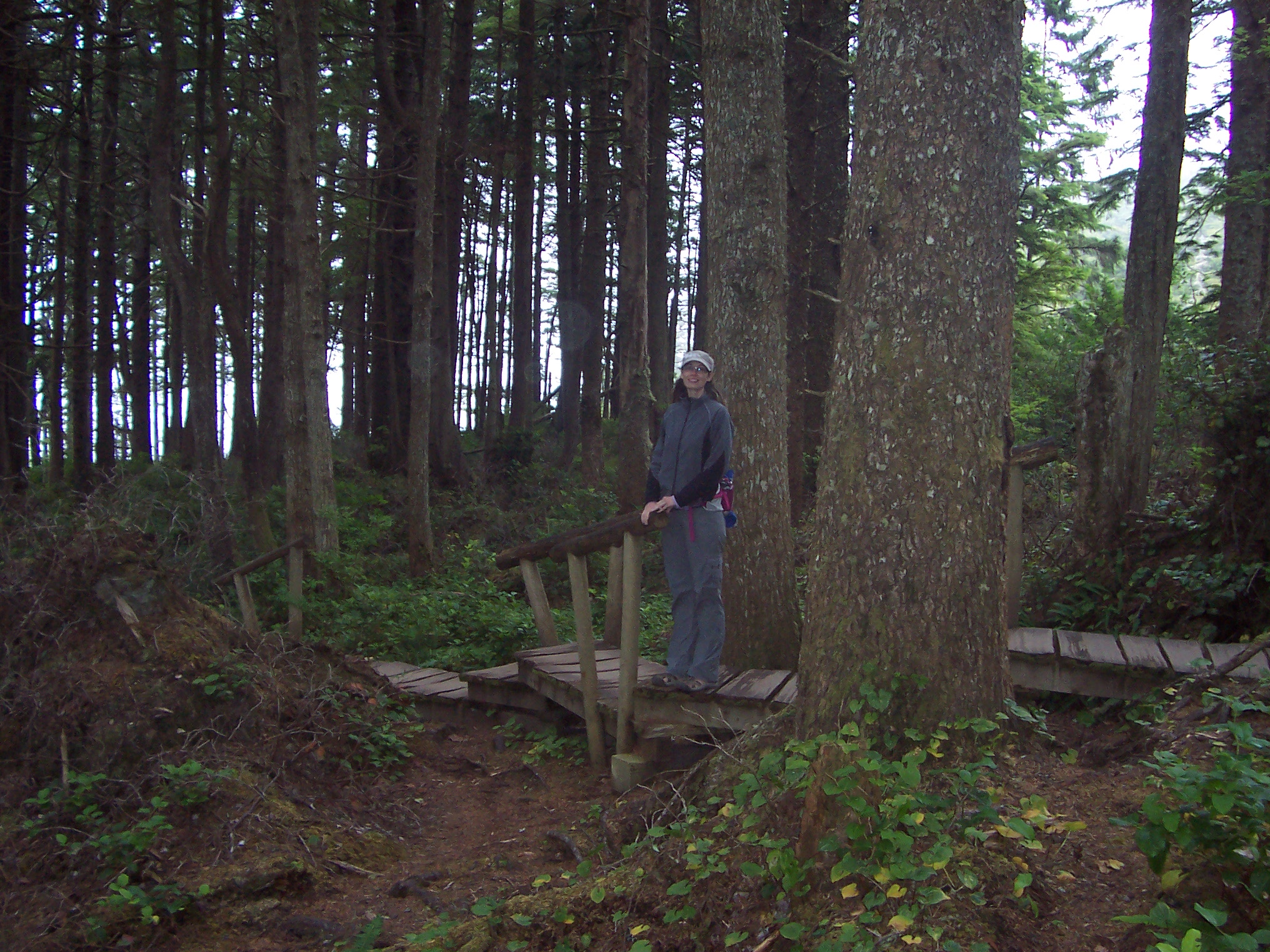
100_1838


At the end of the trail was a wooden viewing platform. Here is the view to the left of the viewpoint–

100_1831


Straight ahead, staring out into the Strait of Juan de Fuca, sits Tatoosh Island–
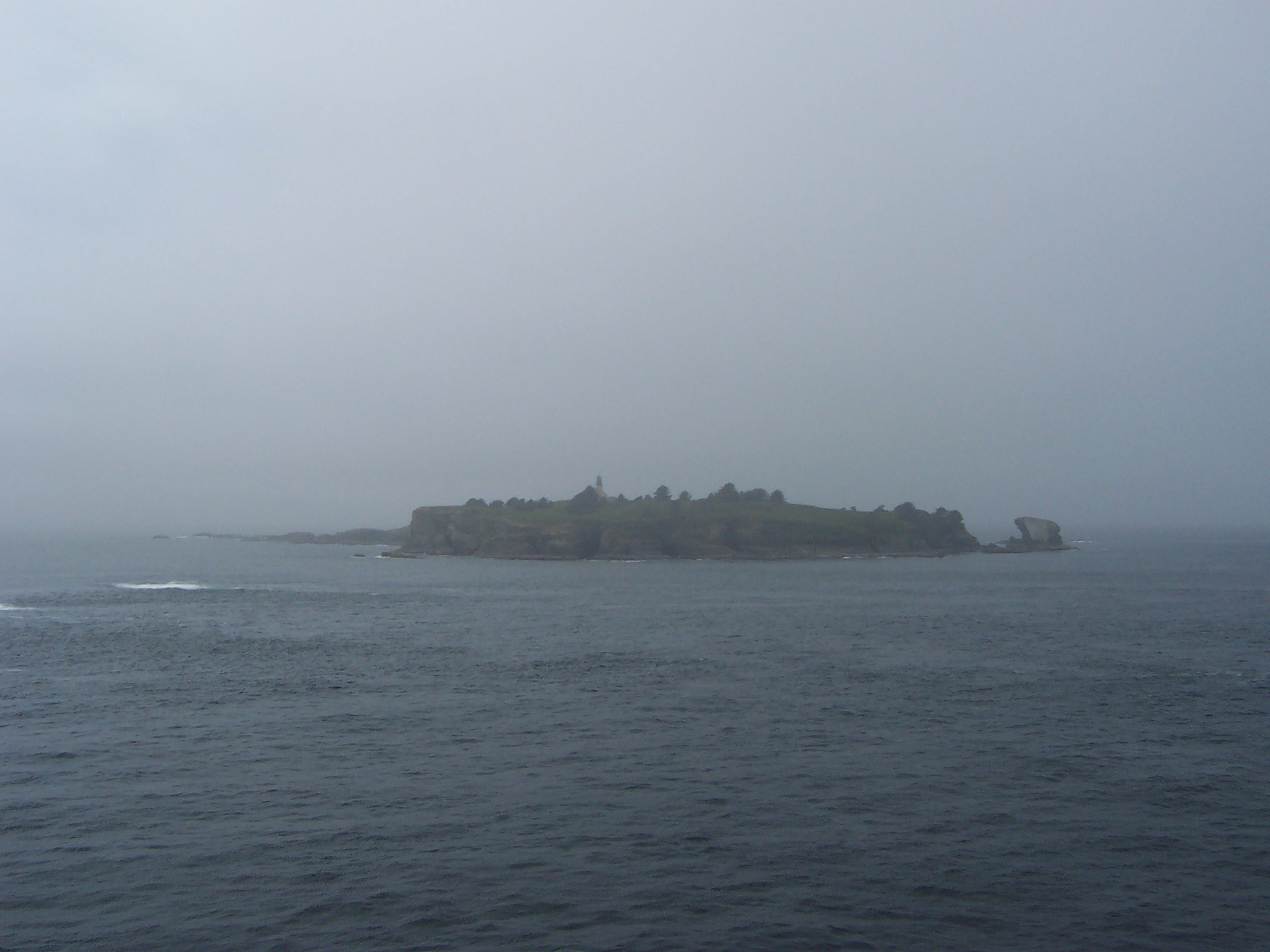
100_1832


which has a lighthouse and Coast Guard station (sorry you can’t really see them in my picture)– Greg says they built the lighthouse there after a Chinese ship collided with a Japanese ship and both sank. Beyond Tatoosh Island is Canada, of course, which was much easier to see than my misty photo would lead you to believe.

Here is the view to the right of the overlook point:

100_1833


And here is a selfie I took on our walk back to the car:
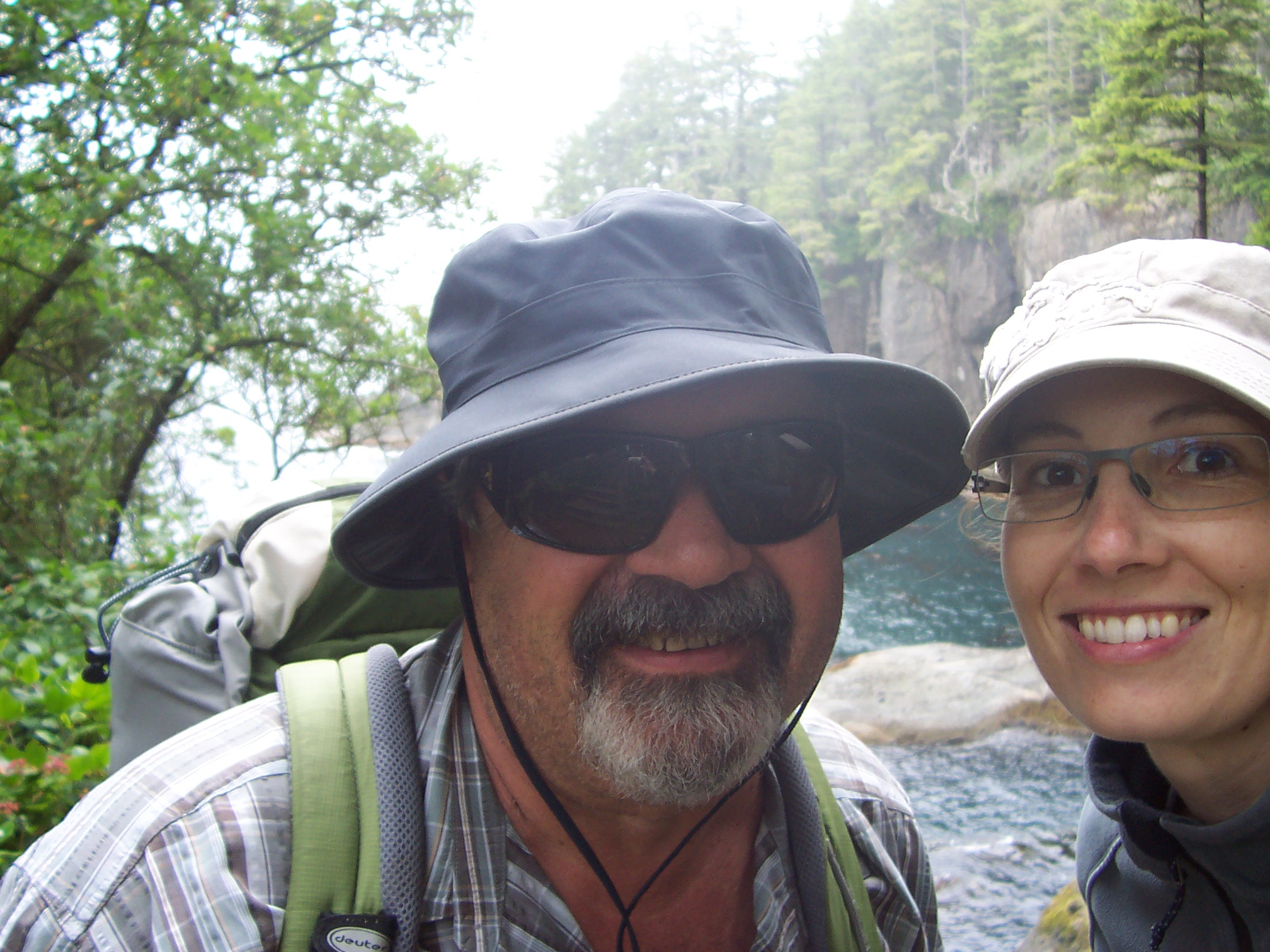
100_1834


The ocean water near shore was this beautiful dark teal that was so, so pretty. Blue and green are such heavenly colors; mix them together and you get orgasmic shades of awesome, which was how the sea looked on Friday.

After our trip to Cape Flattery, we drove back to Port Angeles, and I stopped at two grocery stores for directions to Oceanview Cemetery (it wasn’t the easiest place to drive to). But I was determined to get there, because I wanted to visit Raymond Carver’s grave. When we finally found the cemetery, Greg gazed over that long sweep of headstones and said, “How are you going to find this guy’s grave?” because there was no one there to ask. But I was like, “Don’t worry. I’ll find it.”

And I did. I cut across the cemetery, heading due west, made a sharp right turn, and walked straight to it.

100_1842


A lot of animals use the electromagnetic field of the earth as a navigation tool. I often use something similar to that– though I don’t know what anyone would call it. I think all humans have it. The automatic knowing. The intuitive pull. The instinctive awareness that our bodies can take us to the exact place we need to be, if we just follow our feet.

That’s how I found Raymond’s grave, approximately 120 seconds after arriving at a large cemetery I’d never been to before.

I started reading aloud this inscription–
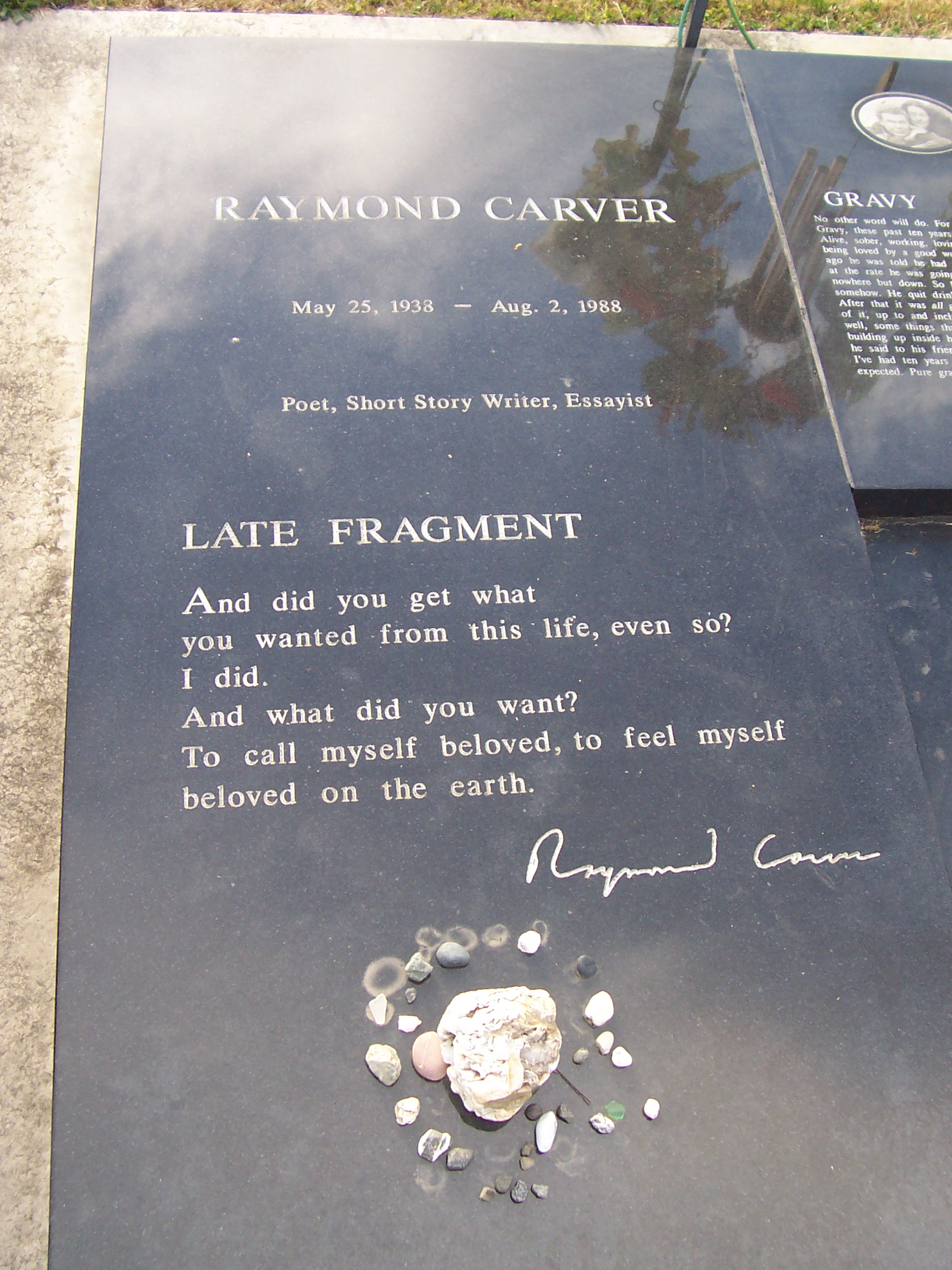
100_1843


And had to stop, overwhelmed, and wipe away tears before I could finish.

And did you get what

you wanted from this life, even so?

I did.

And what did you want?

To call myself beloved, to feel myself

beloved on the earth.

I wasn’t crying because I was sad Raymond Carver was dead, or because death makes me sad, or because I myself am sad to die. I have felt all of those sadnesses before, most especially while studying the Holocaust and other genocides around the world, and I know my sudden weeping wasn’t motivated by sadness.

My tears were just the fact that this is all I want from my life, too– to call myself beloved, to feel myself beloved on the earth.

And it was this knowledge– that I have achieved my desire, and can happily die at any moment, knowing that I have lived my life to the best of my abilities– that was what caught me up with tears. A strange happiness. Like a relief. A deep knowing. The same thing that took me right to this grave to begin with.

The center section held another message from Raymond–
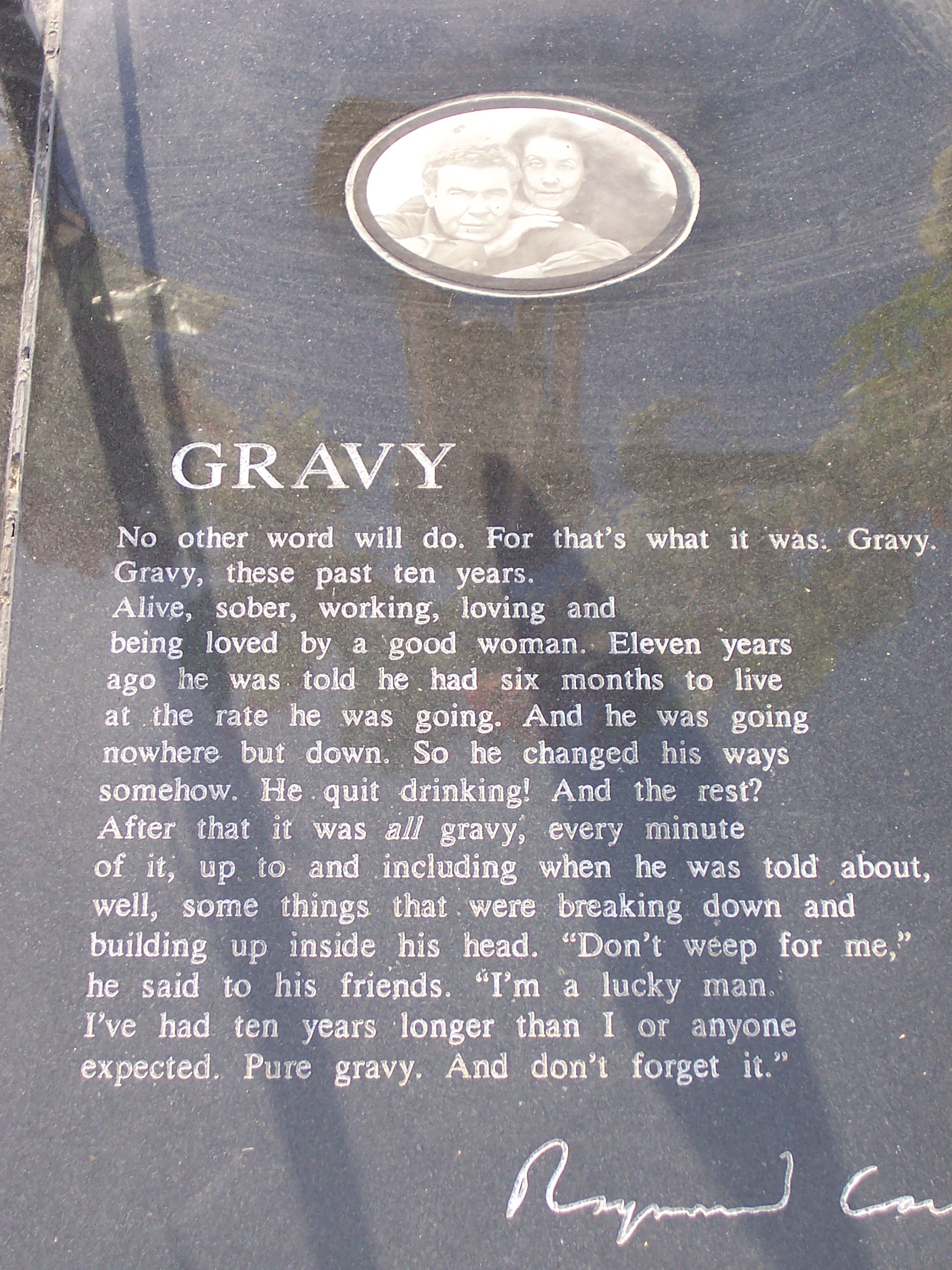
100_1845


which has a picture of Raymond with his wife, who is still alive, and will be buried beside him one day.

Greg took a seat on the bench–

100_1846


and it really is lovely, the view from this beautiful cemetery.

We stayed the night in Port Angeles, and on Saturday morning, we drove into Olympic National Park.

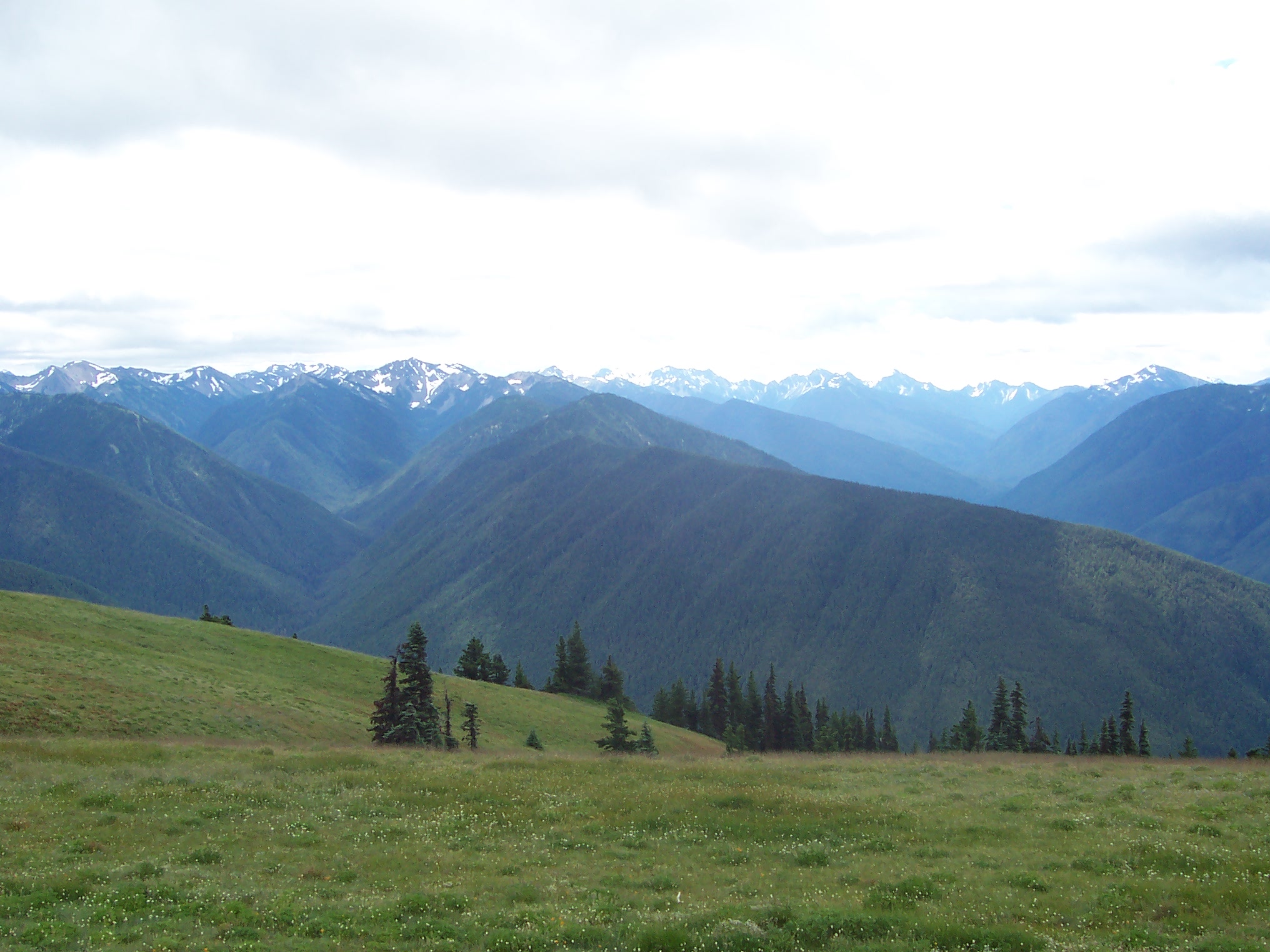
Here is the view from Hurricane Ridge:
100_1847


which looks astoundingly similar to home. The San Juan Mountains of Colorado.

Here is a picture of the visitor center at Hurricane Ridge:

100_1848


There’s a café and gift shop in that building, as well as a large indoor picnic area. The temperature outside hovered around mid- to low-fifties and low-sixties, and it was really windy. Keep in mind that we’re only a few miles from sea level here. It’s a stunning display of geography. One that also happens to look like I’m in Silverton, Colorado.

Greg and I didn’t hike here. We drove out of the park, and reentered on another road to see the Elwha River.

There are no roads that cross Olympic National Park– only short entrance roads scattered around the perimeter. The interior of this park is penetrated only by foot, ski, or snowshoe– so you can only see the tiniest, tiniest fraction of this park by vehicle.

The Elwha River was dammed in 1913, and a second dam was built in 1927. Because this river once had one of the most productive salmon runs in the Pacific Northwest, the Elwha River Ecosystem and Fisheries Restoration Act was passed by Congress in 1992. By 2011, tear-down of the dams began. This is one of the largest dam removal projects in history. The Elwha Dam (1913) has been completely dismantled, but the removal of the Glines Canyon Dam (1927) is still underway. So Greg and I could only travel the Elwha River road partway before we had to turn back.

We went to the Sol Duc River road next. This road leads to a hot springs lodge, which is a bunch of cabins built near three (very tiny) hot springs pools that are actually really ugly bright blue pools with no shade. The pools were extremely crowded (sardines in a hot springs) and gave me a people overload after three minutes of being out of the car. I went back to the Prius and just told Greg, “Uh, no.”

We fled.

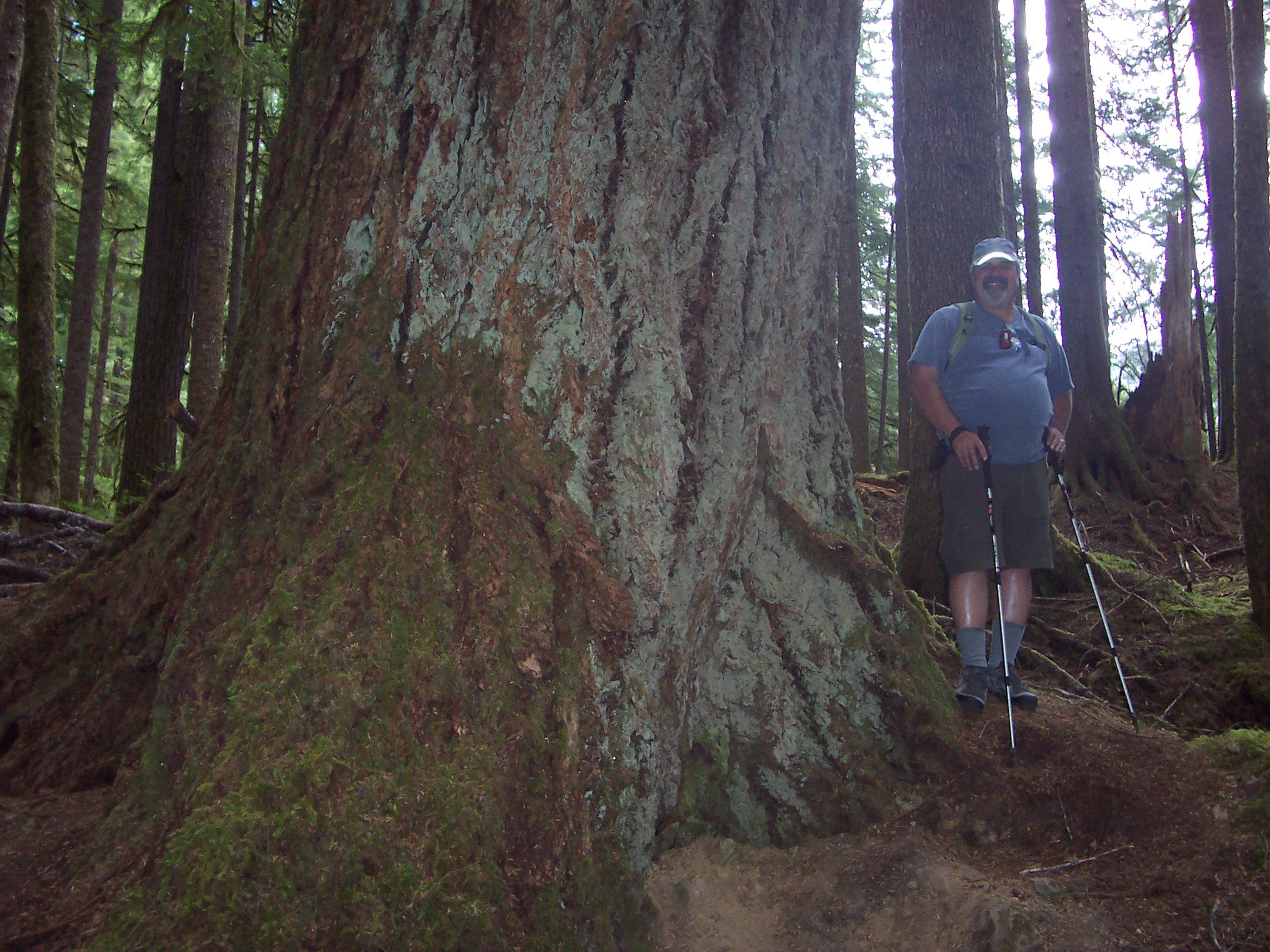
We did a .5-mile Ancient Groves forest walk instead. Here is Greg beside one of the giant Douglas firs–
100_1849


We had a little picnic of cheese, wine and crackers, and then drove an hour or so to VAMPIRE COUNTRY.

Except I didn’t know it was Vampire Country. I thought we were just driving to Forks, an old logging town.

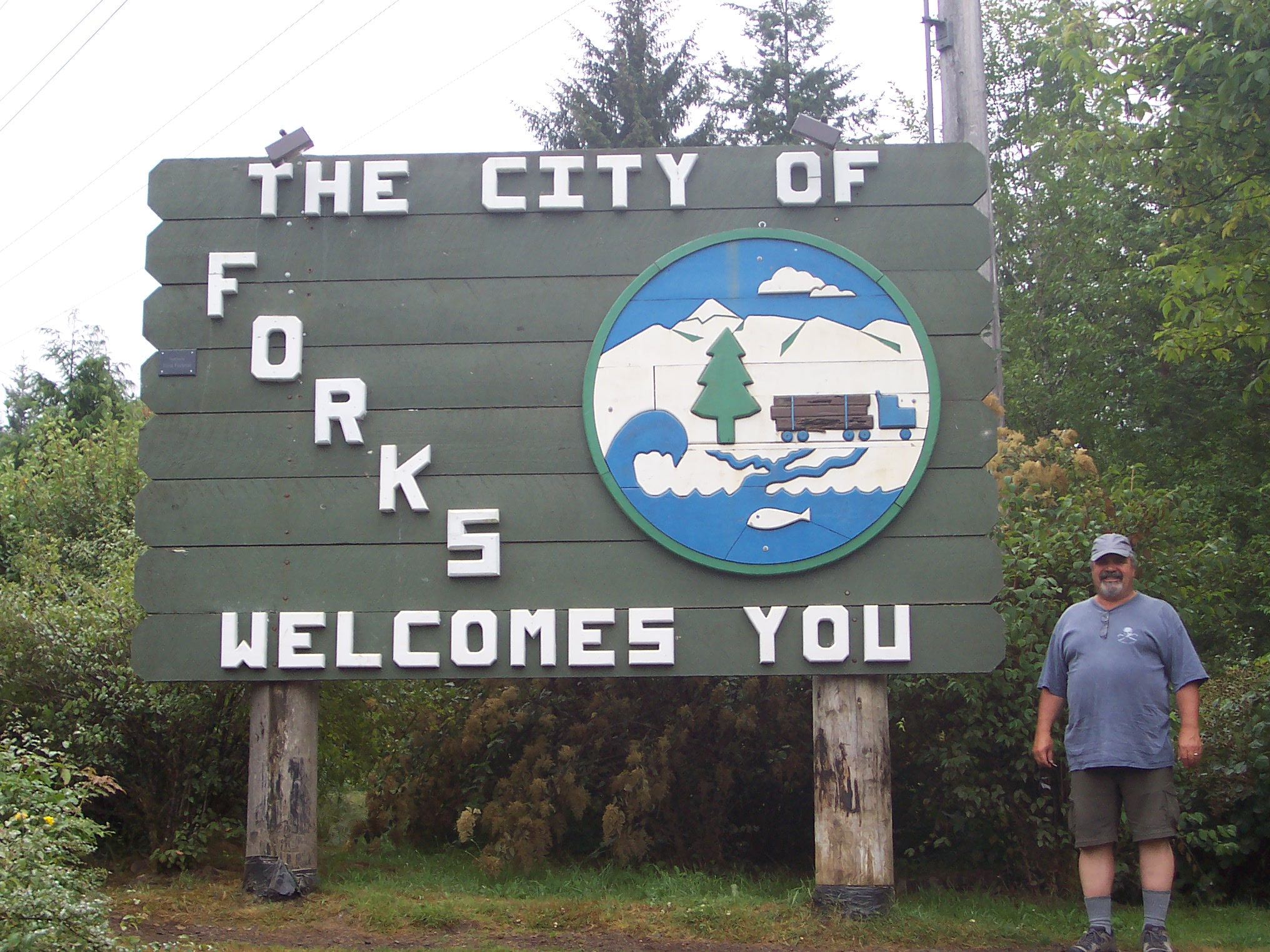
But according to the Spring/Summer 2014 edition of the North Olympic Peninsula Guide, “Die-hard Twilight fans, eager to see the location of author Stephenie Meyer’s best-selling books, travel to the North Olympic Peninsula to retrace the footprints of their favorite characters. Although none of the movies was filmed in the small town of Forks, people from all over the world have come to the West End, making stops everywhere from Forks High School, where Bella and Edward met, out to La Push, where Bella visits her werewolf friend, Jacob. You’ll spot the famous ‘The City of Forks Welcomes You’ sign as you enter, where many fans have had their pictures taken.”

I had Greg pose by the (famous?) sign as we drove into town–
100_1850


I didn’t watch the movies (or did I? I think I saw the first one? Because I remember the scene with vampire baseball)– at any rate, I have no recollection of seeing this sign– but here is my wonderful husband being my stand-in Twi-hard fan like the trooper he is.

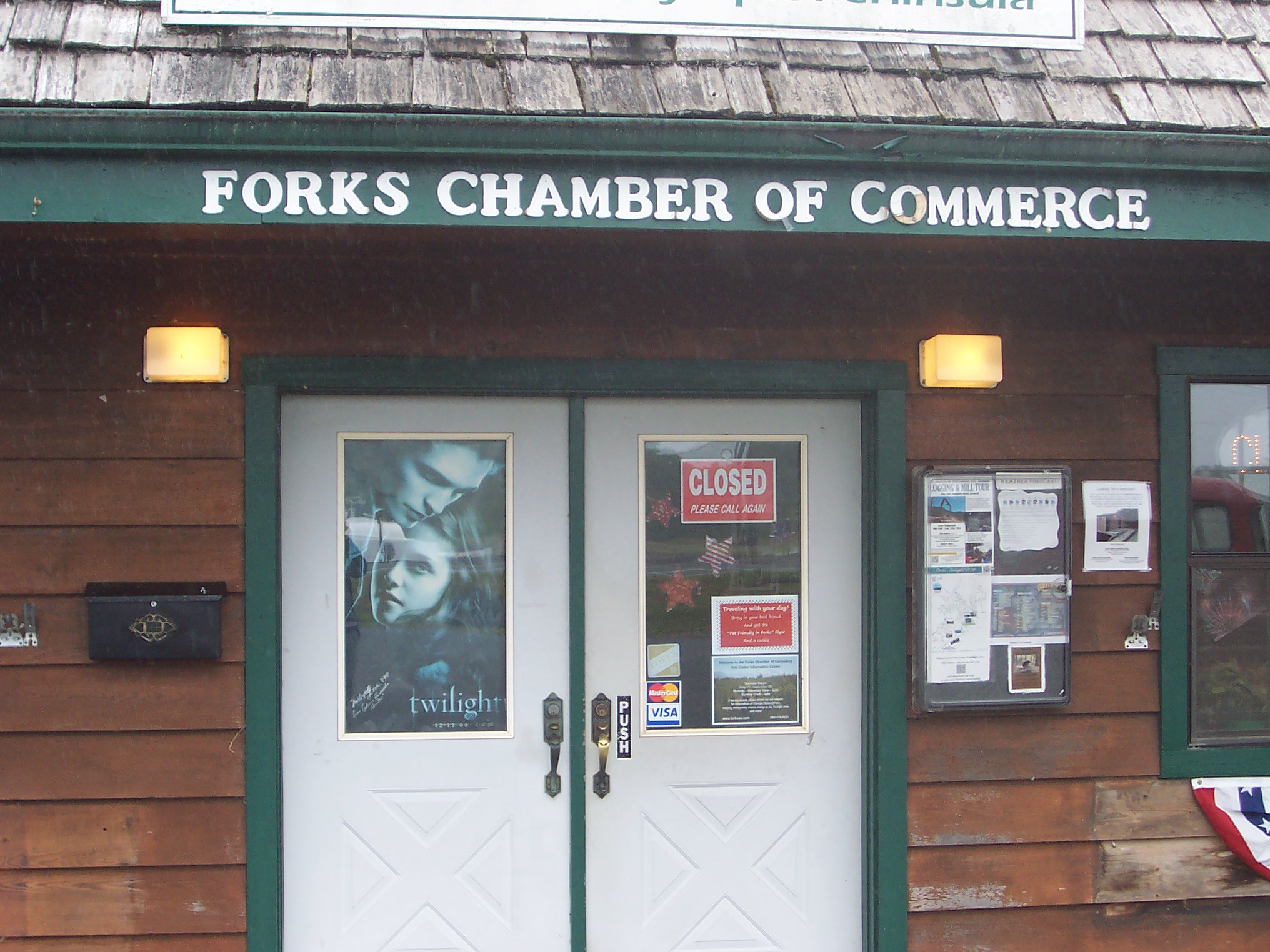
And here is a Twilight poster on the door to the Forks Chamber of Commerce–
100_1855


And right next to the entrance is a pair of pickups, though it is this orange one–

100_1857


That has this piece of paper on the dash–
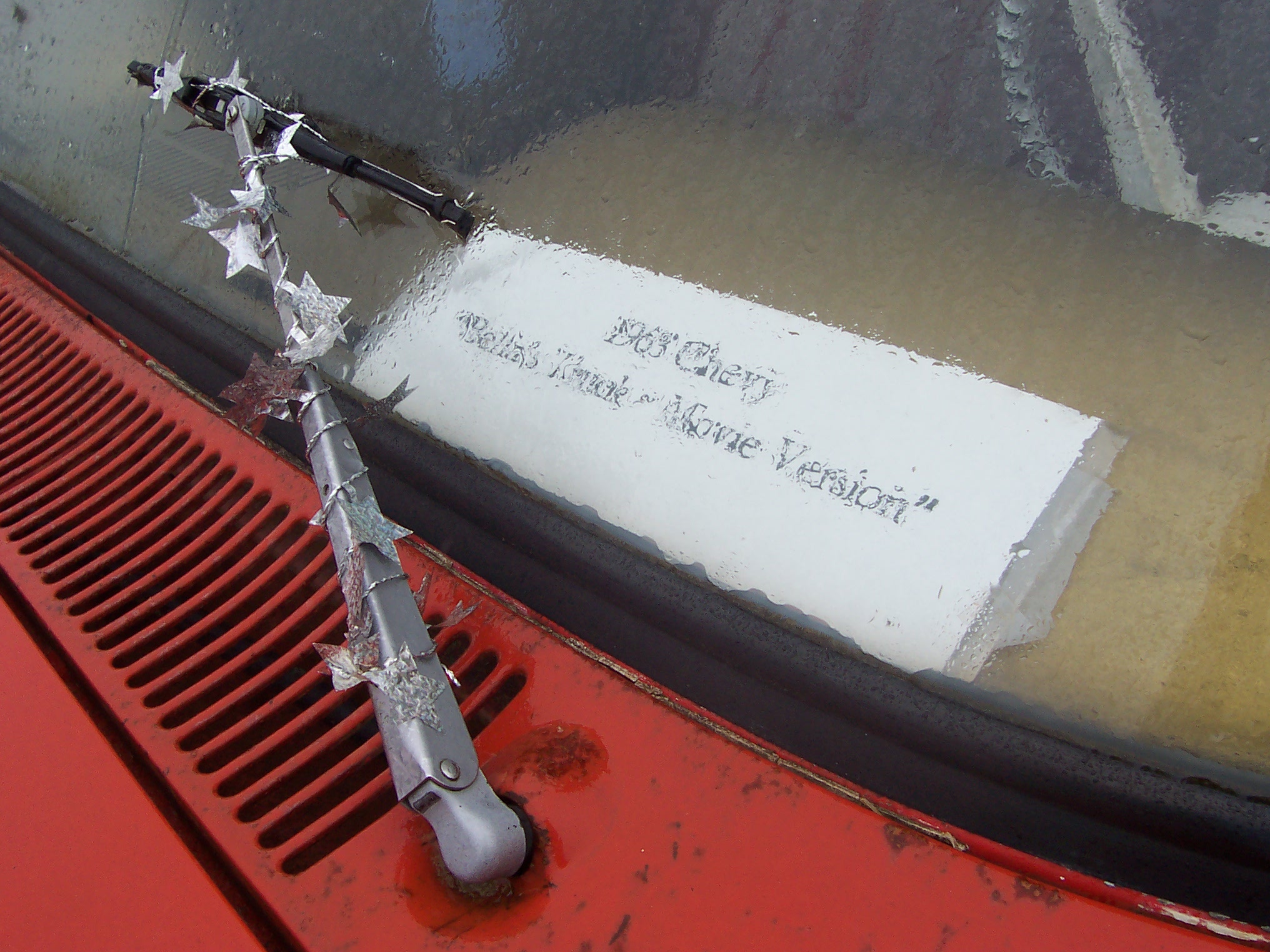
100_1856


1963 Chevy– “Bella’s Truck– Movie Version”

There are little shimmery star-cords strung all over this vehicle. The license plate of the red truck beside this Chevy reads BELLA.

Most of the places in town have the word “Twilight” or “Vampire” or “Breaking Dawn” in their shop names or window displays– Bella Swan is everywhere here.

Here is another amazing factoid from the North Olympic Peninsula Guide:

“Although Meyer didn’t have specific Forks homes picked out when she described them in her books– she didn’t visit Forks until after the first book was completed– the Forks Chamber of Commerce has dubbed a couple of homes as those of Bella and Edward.”

Fans then go to these homes and pose in pictures in front of them.

(!!!)

About 15 miles west of Forks is the tiny town of La Push, on the Quileute Indian Reservation.

This was one of the places I was planning to visit, and thank goodness I was prepared to see Twilight stuff, or this sign on the way to La Push might have thrown me–
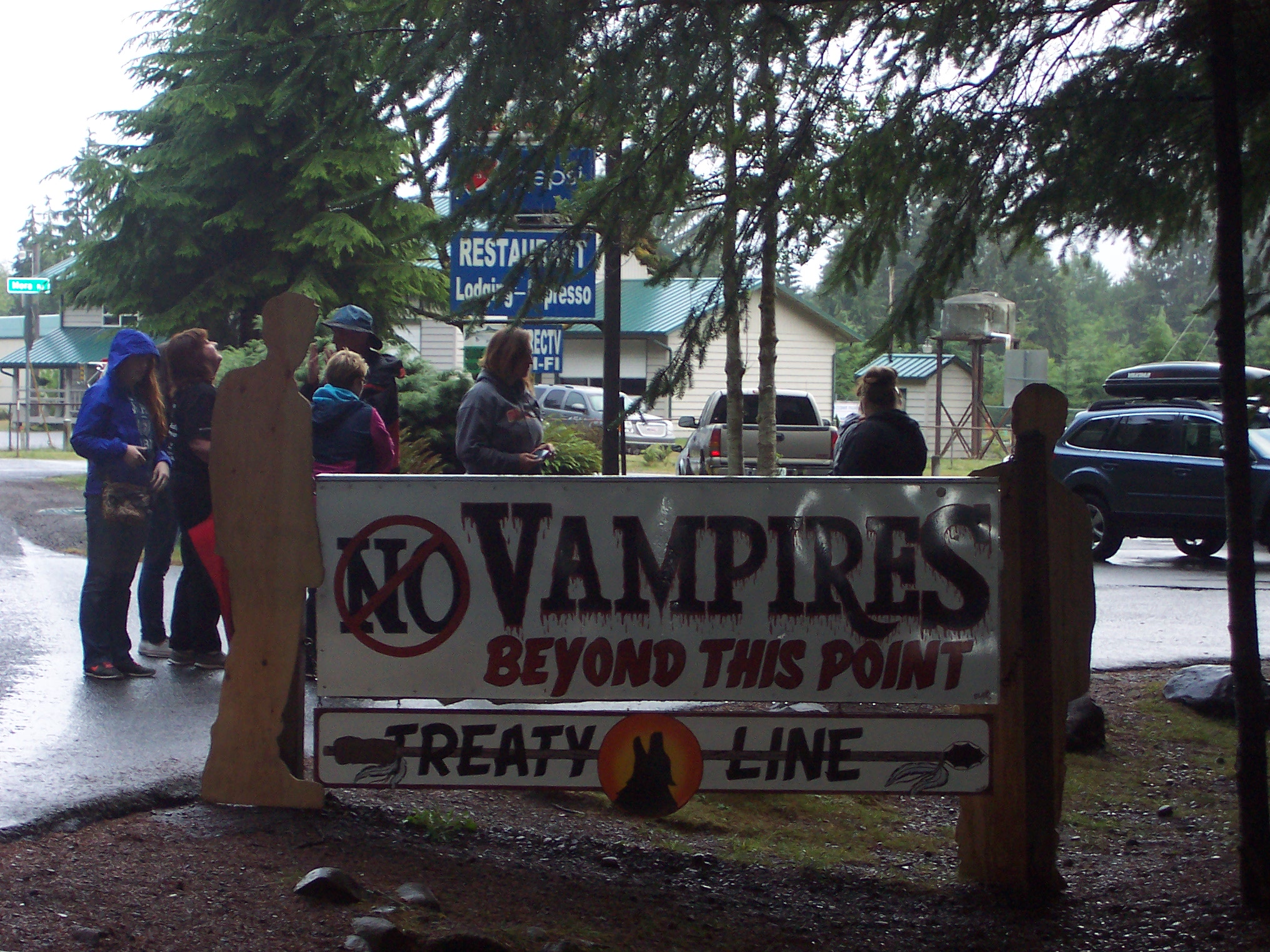
100_1864


No Vampires Beyond This Point

The young women on the other side of the sign are admiring the “Welcome Twilight Fans” printed on the reverse– which they posed around in a picture right after I took this photo.

Those women were part of a tour group. Here is the back of their bus–
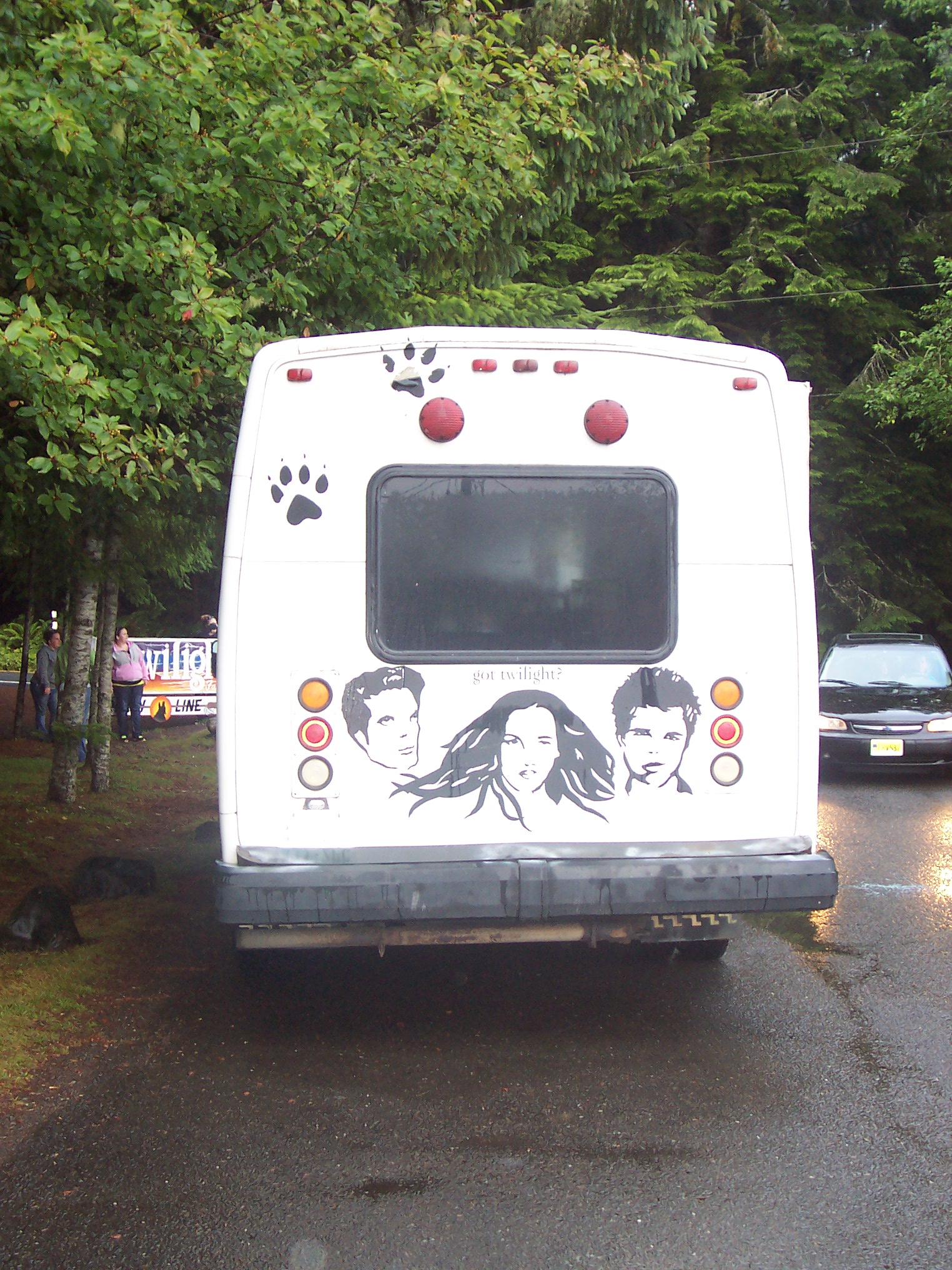
100_1865


That’s Edward, Bella, and Jacob, in case you can’t tell.

Here is the side of the bus–

100_1866


I’m including this picture in case anyone wants to call the number listed for tour details. The front of the bus said Team Forks above the windshield.

Twilight fan busses aside, La Push is a really small, really cool town. There’s a busy harbor–
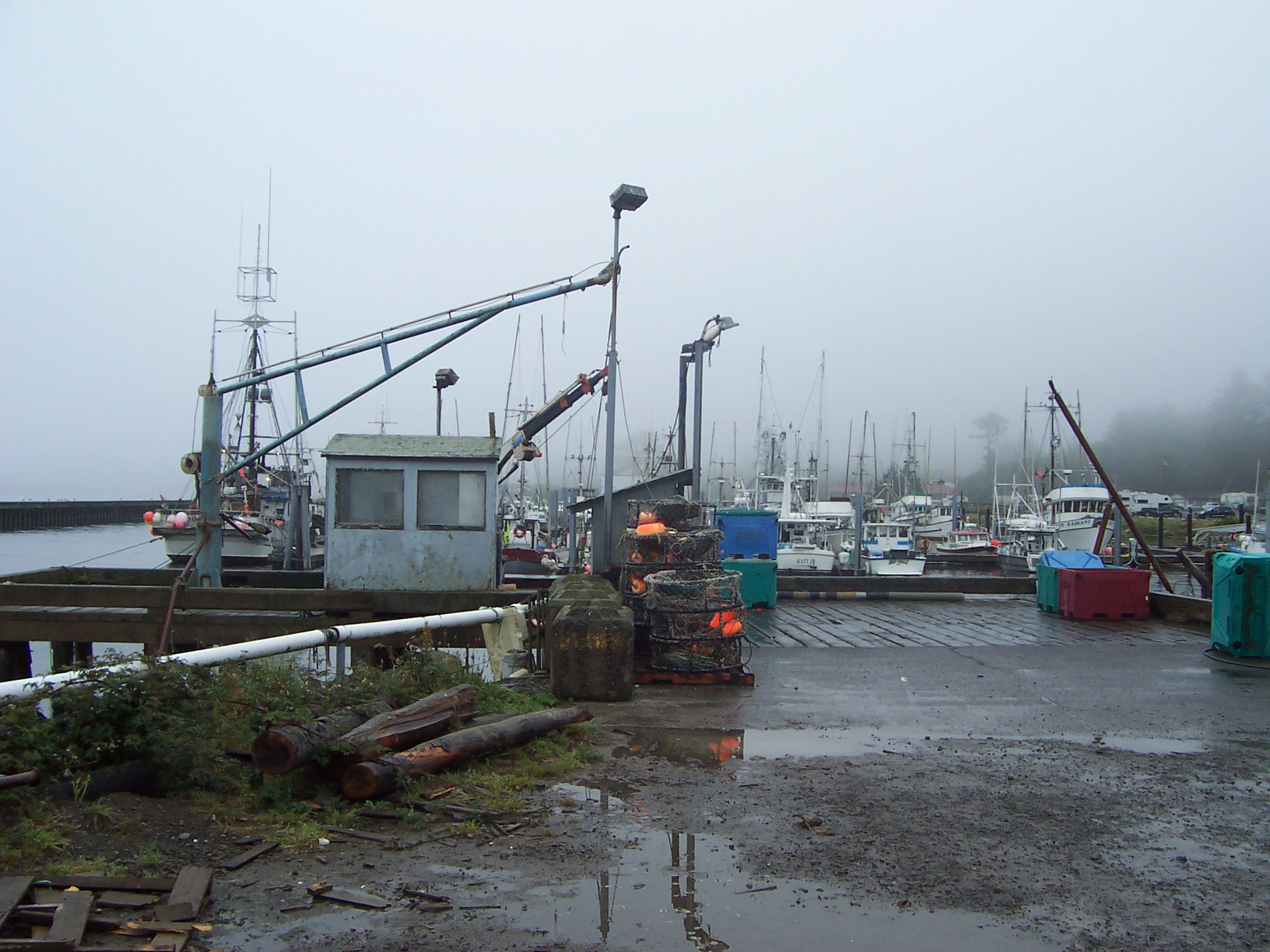
100_1859


And all kinds of giant, cool rock formations in the sea–
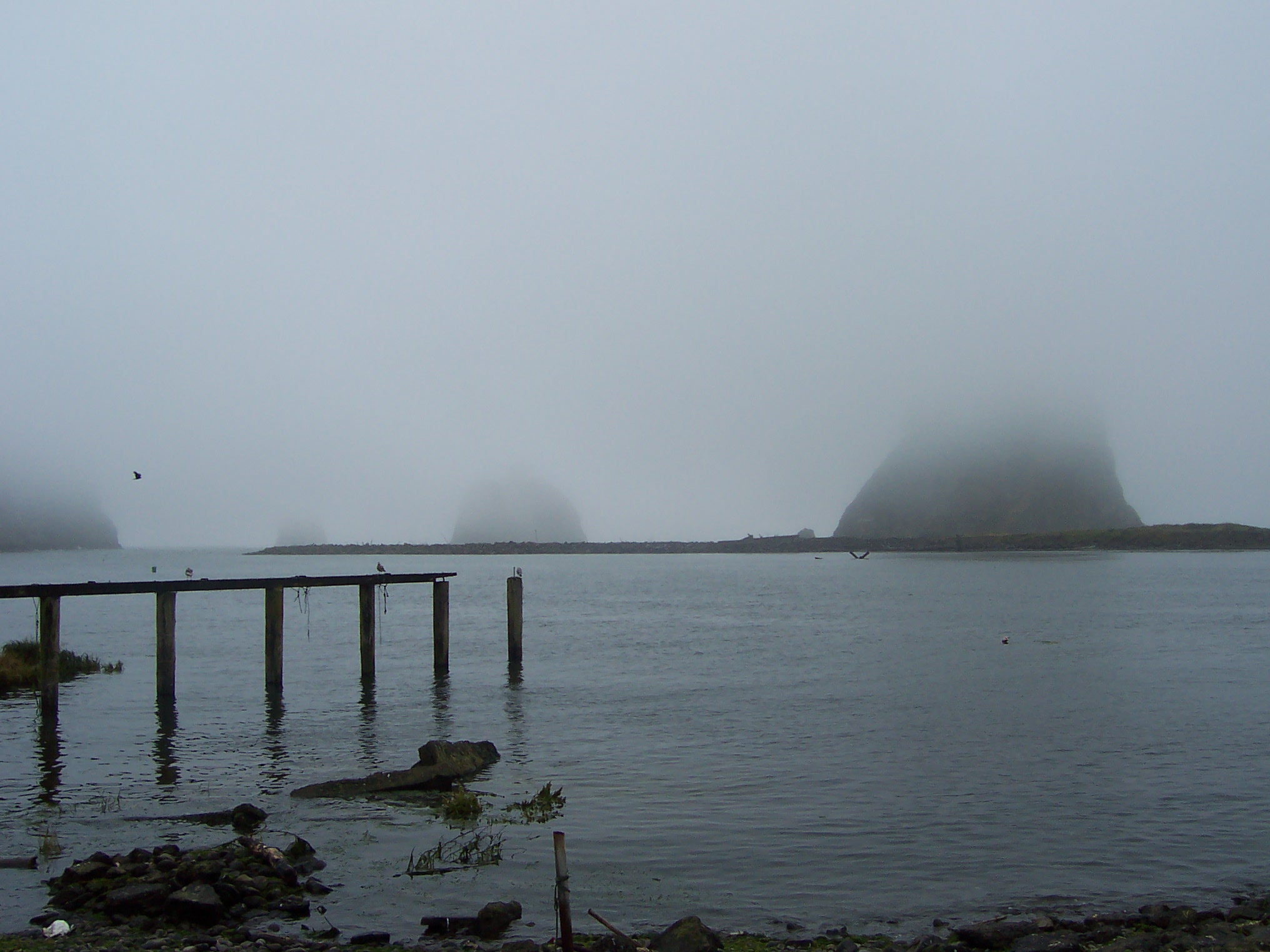
100_1860


This was a place with powerful, vibrant energy. The kind of place where I would stay for a summer just to soak up that energy while I write.

Greg and I had dinner at a restaurant on the water, and I asked the hostess (a junior in high school here) what she thought of the Twilight fans flocking to the reservation. She said it was good that they brought in money, but annoying that there was now a “Bella cabin” overlooking the beach, and all of the other Twilight details.

I asked her if Jacob was named in the book as a Quileute Indian, and she said, “I don’t know, I didn’t read the books. Or watch all of the movies.”

She then told me that, because Jacob was from La Push in the books, the Quileute Tribal Council was allowed to send a representative and one student from town to Hollywood for each of the movie premieres. She was selected as the student to attend the second film. “What did you think of it?” I asked. She shrugged. Gave me one of those teenager looks. “It was okay.” With a tone of voice that meant, honestly, it pretty much sucked, let’s change the subject.

The big weekend celebration of Quileute Days was taking place while we were in town–
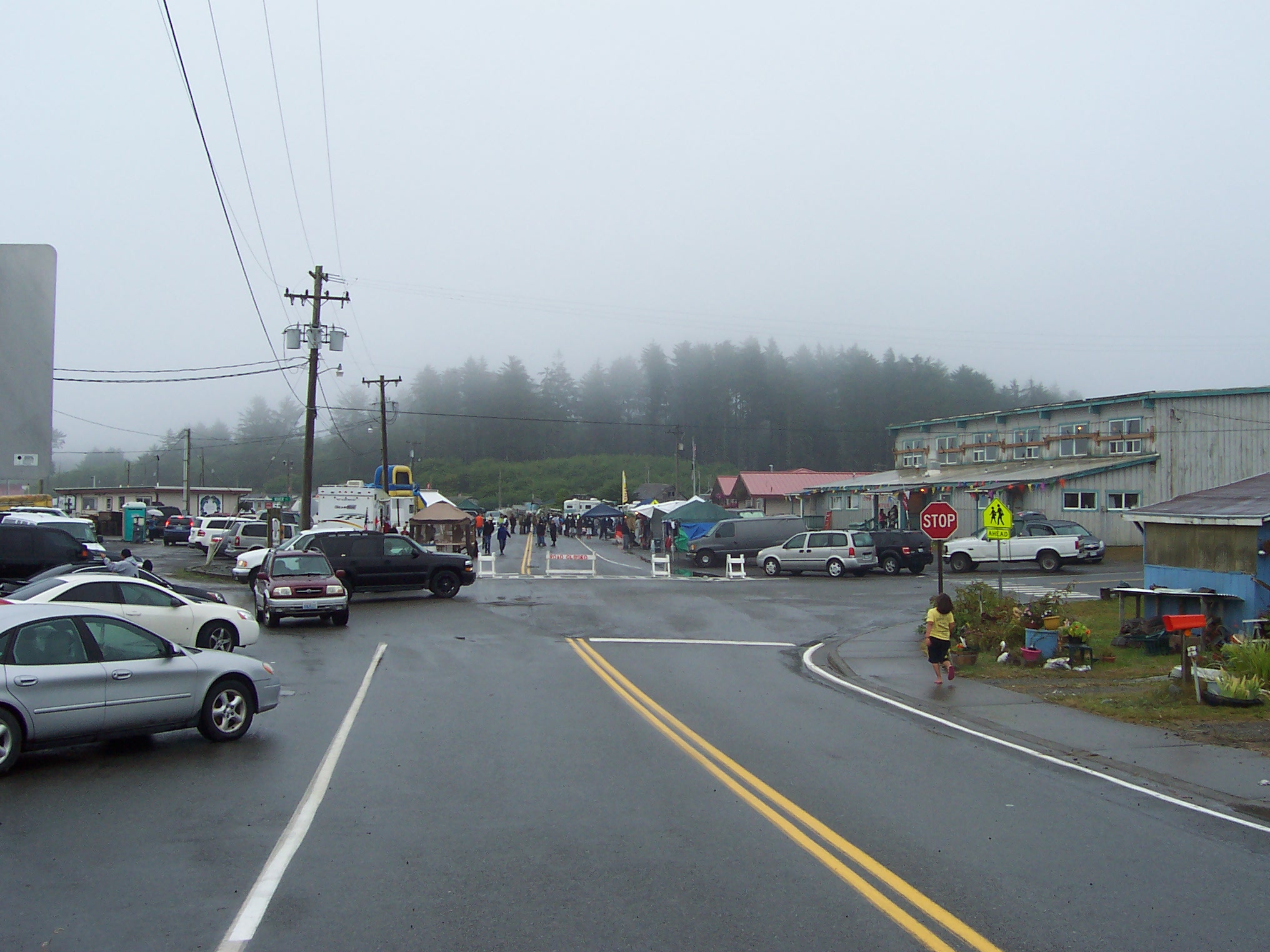
100_1862


you can see the large community center on the right, in which people were drumming and dancing inside, and there were ten or so little carnival-type tents set up on that street, selling food and toys. Greg and I bought some homemade ice cream at one.

100_1861


Here’s the Quileute Tribal School bus. The school is located very close to the ocean (you can see more of those rock formations over the bus).

Back in Forks, we found a room for the night at the Town Motel, which features a kitchen–

100_1868


the foil and the stains all over the counter being quite lovely.

Also, the bathroom–

100_1869


is the dingiest bathroom we’ve had the whole trip. But my low-quality camera pictures just don’t do it justice.

Next, we’ll be venturing into the rain forest outside Forks. Watching for vampires, of course.
Posted in My Thoughts | Leave a comment

Muscle Cars, Writer Mugs, Grumbles

It’s July, and I’m on vacation! I’ve never been to the State of Washington before, and I’m staying in Port Angeles tonight. Port Angeles is the most popular town for people to stay in before driving into Olympic National Park.

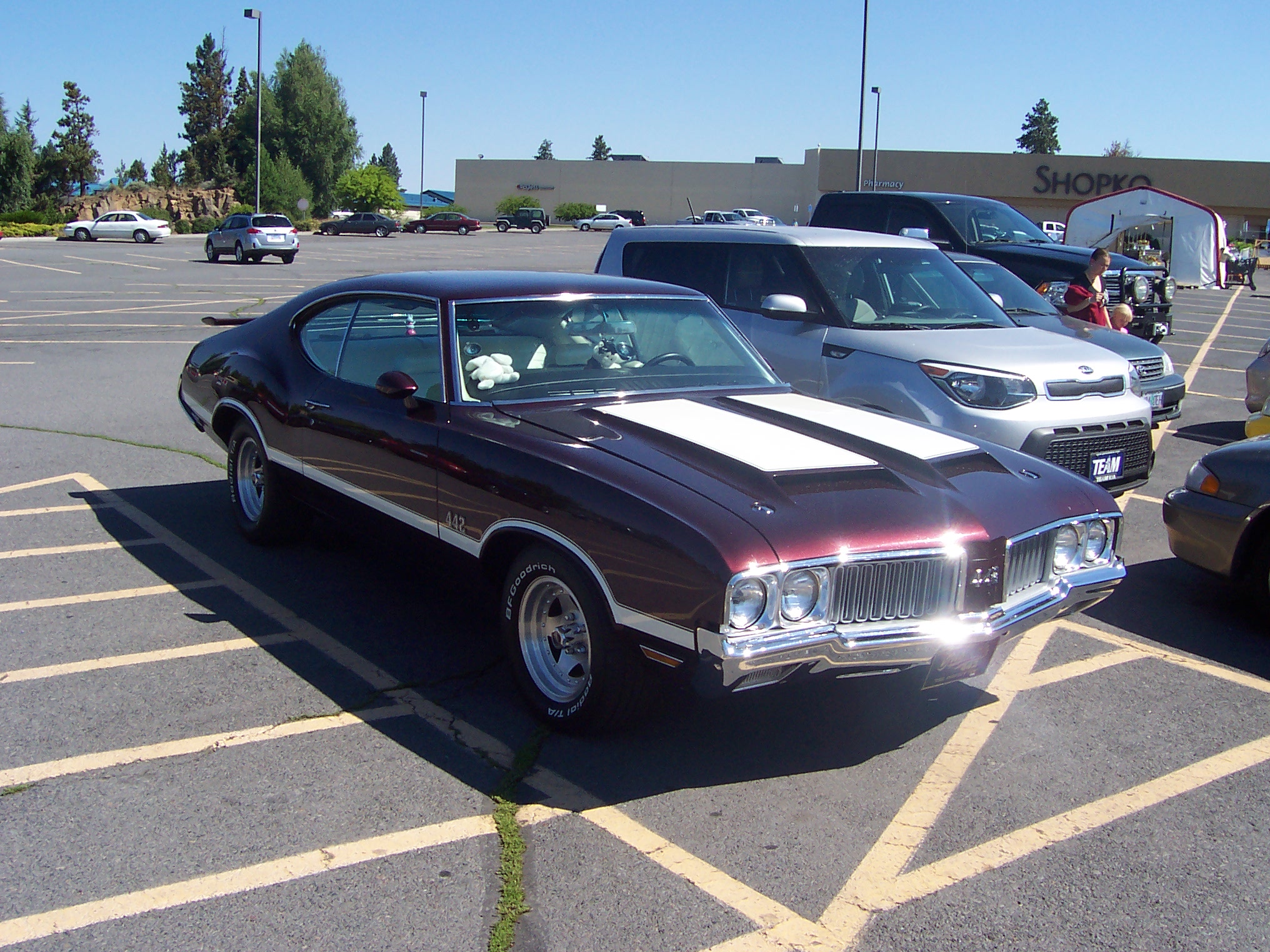
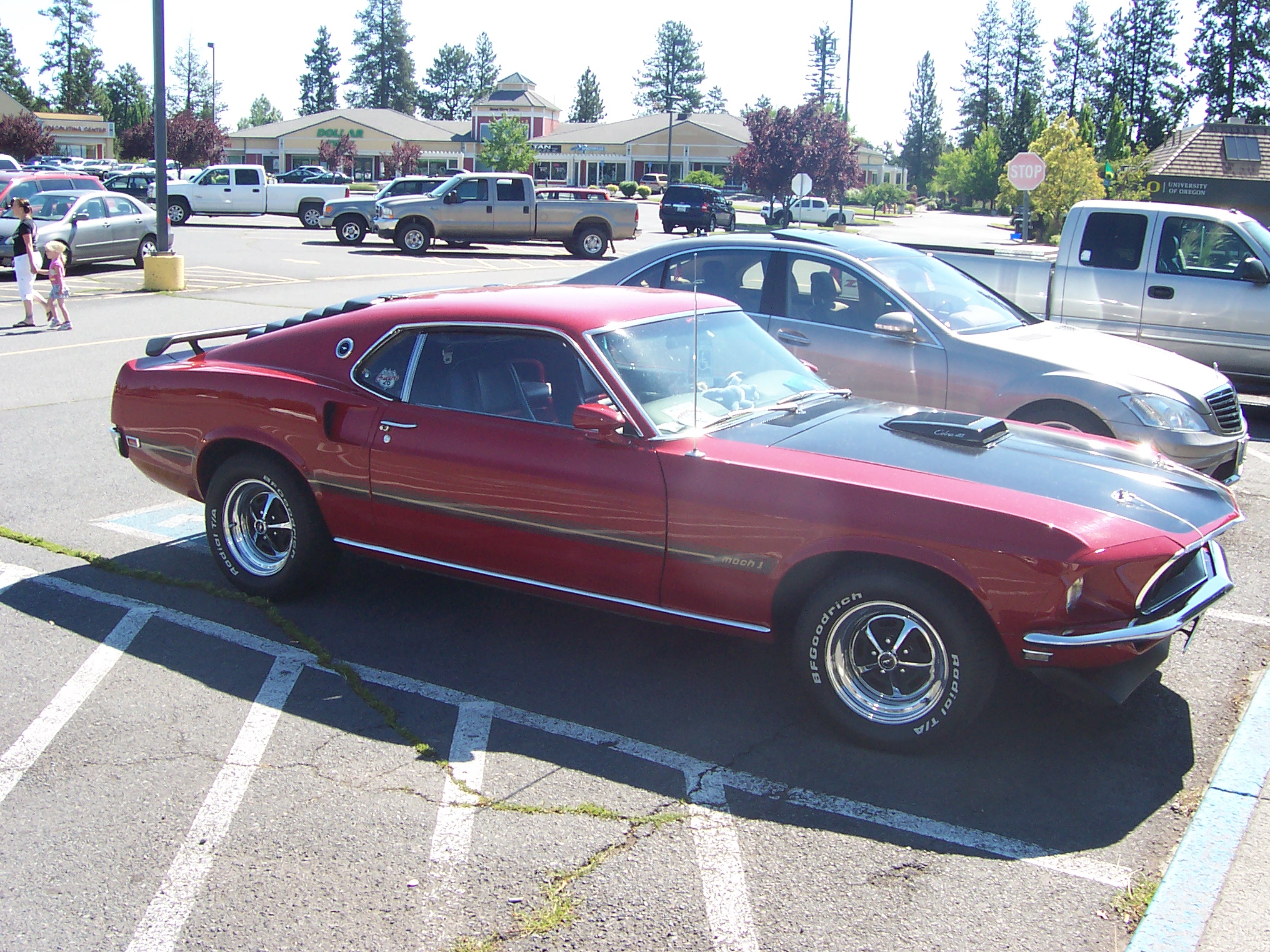
My husband and I drove through Bend, Oregon a few days ago. Look at these cool cars I saw outside the IHOP in Bend!

100_1779


What a gorgeous Mustang GT, yes?

And this Oldsmobile 442:

100_1780


Muscle cars are just SO beautiful. So pretty I ache sometimes to look at them. I couldn’t tell you which has the bigger engine– that GT or that 442– but I admire people who memorize that information. I love gorgeous muscle cars but I don’t love owning them or driving them. I like them as fantasy. I prefer muscle cars to be like faeries in the forest– pretty and elsewhere– and not in my garage. Nowhere near my garage.

In Port Townsend today (about an hour northeast of Port Angeles) I visited a bookstore with the cutest window display:

100_1826


These are coffee mugs for writers. The two black mugs say, “Careful or you’ll end up in my novel” and the white mug says, “Avoid clichés like the plague.” The little bag of coffee beside them is (I think) called “Writer’s Block Coffee” and the other white mug says, “Use Your Words.” It was a fabulous bookstore, with many more mugs on display inside, an excellent selection of books and journals, and a small children’s room.

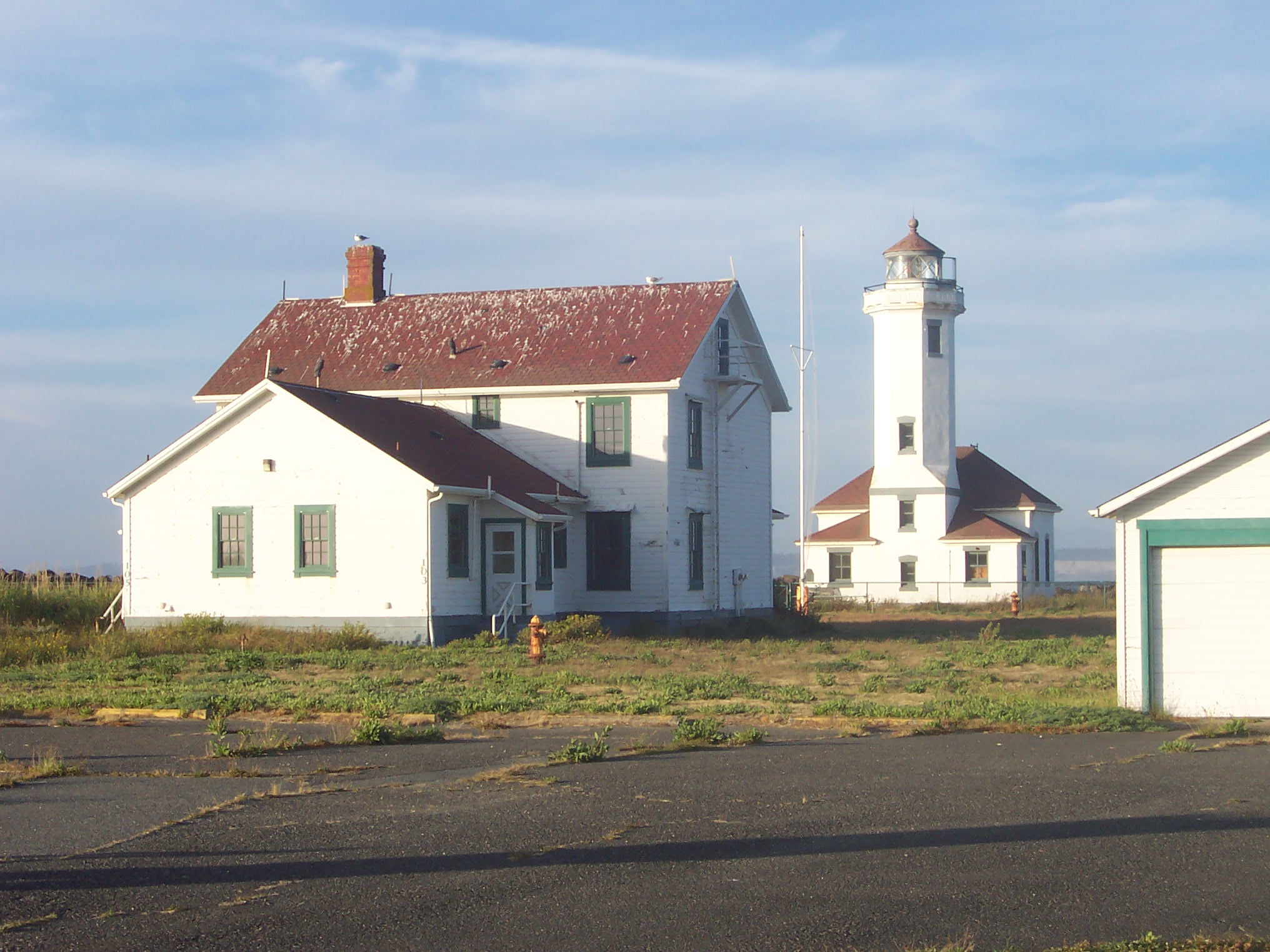
Here is the lighthouse on the northernmost tip of the peninsula Port Townsend occupies:

100_1827


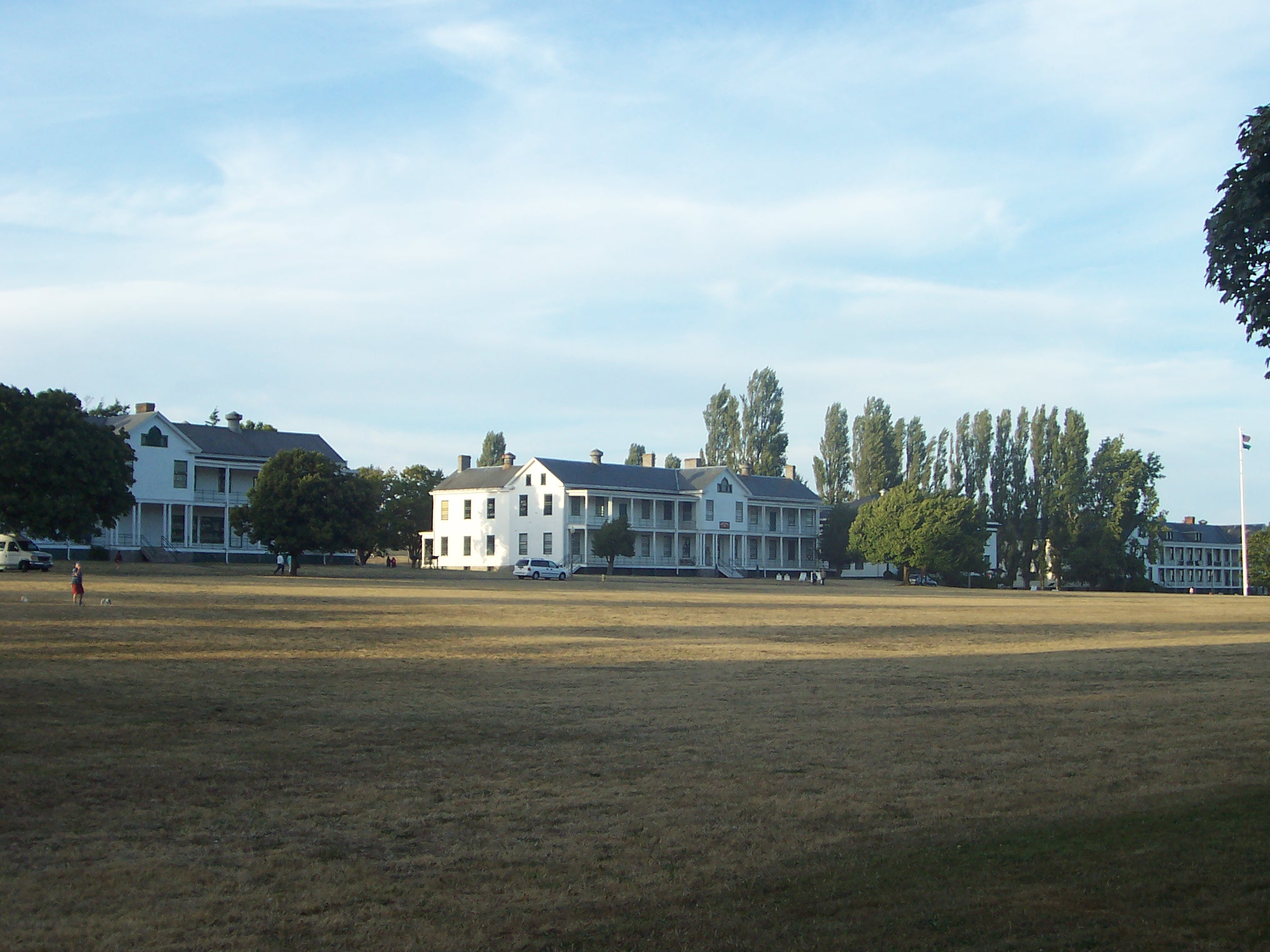
And here is a photo I took inside Fort Worden State Park (in Port Townsend), which is where the movie An Officer and a Gentleman was filmed:

100_1828


The sun was going down, but you can see how brown the grass is. Greg says they are in a drought here.

Fort Worden was built in 1900, one of three major fortifications constructed on Puget Sound to defend the area from enemy attack. It now serves as a recreation, lodging and arts center, and Greg was glad to see these buildings weren’t torn down, but refurbished.

Port Angeles (where we’re staying tonight) is the former home of American poet and short story writer Raymond Carver, and his grave is in Oceanview Cemetery, which is west of downtown. On our way here, I told Greg I’d like to see it and he got all grumbly about it, like “Why do we have to go see some stupid grave? It’s just a grave; a rock with some words on it,” and I’m all, “I just wanna go, stop being all grumbly.”

I’m not really a cemetery girl, I don’t often visit gravesites, but every now and then, it seems like an interesting thing to do.

I failed to bring my lucky red sweater with me on this trip, and I am really missing my sweater tonight. It was 61 degrees here at 8:30 p.m.– my bare legs were not happy with me. The 100-degree heat of eastern Oregon is long gone, as is the 85-degree heat of downtown Portland. I didn’t realize how cold Port Townsend and Olympic National Park would be– mostly because I had no idea where we were even going when we left home on Saturday.

Now I know. And it’s cold here. Silly me, I packed for summer heat. Dang!

That didn’t stop me from eating locally-made ice cream in Port Townsend today. Lavender Lemon Custard. Divine! Worth the shivers.

Posted in My Thoughts | Leave a comment

What Do Women Want? Adventures in the Science of Female Desire

The Fourth of July landed on a Friday this year. My husband left town for a fishing trip with a buddy, and I spent the day doing what I love–writing all day, in my happy oblivion. Right now, that happy oblivion is Mark of the Pterren, though sometimes I think I might rename this novel My Biggest Pain in the A** because it has now morphed into a trilogy– or maybe four books, I can’t really tell at this point.

Regardless of how frustrating my revisions can be, I love Mark of the Pterren, and Friday was a good day of writing. At 9:15 p.m., the fireworks in Durango began, so I opened the window in front of my computer to watch, and while I was entertaining myself with loud sparkly pretties, I told myself I should do at least one thing other than writing all day. So I read articles on The New York Times Book Review, because I am a junkie and that is my fix. Plus, reading about books went well with the fireworks.

I discovered this nonfiction book by Daniel Bergner:

life_ac_what-do-women-want_book_640x480_0[1]


What Do Women Want? Adventures in the Science of Female Desire

This book was given a short blurb under July 3rd’s “Paperback Row,” which features brief write-ups on recently-published paperback books of note.

I read the short blurb and bought this book immediately, which cost $10.34 for my kindle-on-PC desktop library.

Best. Amazon. Purchase. EVER.

This book blew my mind.

I loved it.

LOVED it.

I devoured this book. Total reading time: 1.5 days.

I had a book club meeting on Monday night, and this book was the only thing I wanted to talk about.

I hosted a critique group meeting tonight, and this book was still the only thing I wanted to talk about.

Daniel Bergner answered questions about this book for Lifestyle Mirror, and you can read his short interview here. That interview was published June 10, 2013.

He also gave a TEDxEast talk about his book, which has a total running time of 17 minutes, 24 seconds, and can be watched here.

Anyone interested in learning more about this book should check out that interview or the video (or read that very short blurb on Paperback Row)– and please be warned, this book is not for people who get easily enraged when conventional wisdom is questioned. In fact, if you are someone who cherishes conventional wisdom, DO NOT READ THIS BOOK. Bake brownies, walk the dog, call a relative, play with the baby, watch a movie, read your Facebook wall, do the dishes. But DO NOT READ THIS BOOK. (And don’t read anymore of this blog post! Stop reading now!!)

Because What Do Women Want? is the most empowering book I’ve read in a long time. I gush about all kinds of books that I read, but I got something like a heroin rush from this one, or maybe I should say heroin, cocaine, and meth all mixed together– because mind = blown.

Why do I love this book so much? Because women are amazing. Because understanding desire is key to understanding who we are, as women, as men, as transgender people. And that’s all this book is doing– talking about how science blinded itself for so long, and how some scientists are taking off their blinders.

There are so many things I learned in this book. I learned that scientists still don’t really understand how female genitalia work. I learned how scientists ignored, for so long, how big the clitoris really is (which holds true for the public today). And how women have so many different pathways to orgasm. How even paralyzed women can still have orgasms. How women are much more able to orgasm without even touching themselves than men are. (Seriously. Women’s bodies are just amazing.) I learned that birth control significantly diminishes a woman’s testosterone levels, and scientists still don’t understand why that kills desire in some women, but doesn’t matter to others.

And I learned about monkeys. I learned stuff about monkeys I have never read before.

I was fascinated by these monkeys.

And I learned that monogamy is actually harder for women than it is for men. I learned that the loss of desire is so profound in some women that they just feel dead inside. I learned all these things women are doing to try to regain their desire. How incredibly difficult that can be.

I listened to women talk about their lives. Their real lives. And their sexual lives. I was simply amazed. In the best way possible.

Mind = blown.

I’m so glad I read Paperback Row on the Fourth of July. So glad.

Posted in My Thoughts | 1 Comment

Michiko Kakutani and Emily Gould

Michiko Kakutani, as anyone who is a ravenous fan of Sex and the City knows, is a kickass critic at The New York Times.

And if you read The New York Times Book Review, you know that Ms. Kakutani’s reviews are the sharpest, most intense reviews you can possibly read.

kakutani[1]


She’s won a Pulitzer Prize for her work. Of course, I’ve never met her, but I sure would like to one day. I admire her and fear her in equal measure, which means I would probably not hold up well in her presence. I get tongue-tied pretty easily when faced with literary gods.

When I saw that Michiko Kakutani wrote the review for Emily Gould’s debut novel, Friendship, I got that giddy rush of ohmygod, ohmygod, must-read-this-right-now. It’s the way I imagine some girls felt in high school, when the captain of the football team strode down the hall to visit his girlfriend. I never understood social capital in high school, and had only the vaguest idea of how image ruled everything.

But what happens between the lines of The New York Times Book Review–well, this is a world I plug into. This is the social capital I understand. I might never write a book that is reviewed in The Times, I might never be asked to write a review for their pages, and I might never be able to meet Dwight Garner, who is one of my all-time heroes.

But when I read the Book Review, I always know I am one of those girls in the hallway, with her eyes on the football team captain. The hottest man ever born. I’m in awe of him, he’s so beautiful and perfect, so lovely and fair, and I make sure I see him each day, because my world doesn’t feel right if I go a day without glimpsing him. I can glance at him once, and know how he’s feeling, because I watch him so closely at times.

This is my relationship with the Book Review. He doesn’t know I exist, but I know I exist, and I can’t ever lose hope that one day, one day far in the future, I will do something that makes him take notice. He’ll be sauntering along on his way to his cute girlfriend’s locker, and she’ll be flipping her hair and snapping her gum, and that’s when he’ll happen to look over and see the book in my hands. He’ll read the title. He will see me.

I can’t even express how much this idea terrifies me. Because we often crave things in life that are horrible experiences. So it goes with me and The Times.

I’ve already mentioned I’m rooting for Emily Gould. As far as gum-snapping girlfriends go, I want her to do well. But with the football team captain–well, one never knows. His tastes are so fickle, and sometimes so flat-out wrong, that no one can guess how a courtship will go.

For me, reading the Book Review is an adrenaline rush of gossip and sex and image and thrill. It’s everything high school never was, and never could be for me, because hallways are not ruled by words. Hallways are ruled by perception, which is ruled by money and reputation, and those things are factors when it comes to the Book Review, but they aren’t the chief forms of respect. The poet reigns supreme at the Book Review. The philosopher. The free thinker. The one who dares to walk off a cliff, and find a bridge made of air. Those are the girls this boy likes the most, the ones he buys roses for, and takes for a spin in his car.

And I so want to earn one of those red roses one day. And a ride in that car.

He drives a black BMW, of course.

black-bmw-car-wallpaper-3[2]


Although sometimes he prefers his red Ferrari:

Red-Ferrari1[1]


and other times, he goes for a cruise in his dark blue Lamborghini:

2013-lamborghini-aventador-roadster-colors[1]


because this is a boy who knows how to get what he wants. And he doesn’t want the girl next door. If you want to turn his head, you better be something new, something powerful, something he’d be honored to take for a spin in one of his cars.

And if he really likes you, he’ll be back. He’ll keep calling. He’ll give you attention even when you’re not writing books, or poems, or short stories. He might have dozens and dozens of girlfriends, but once you’ve gone for a cruise, he doesn’t forget you exist. He might be a stud, and he might rule the halls, but he likes to be swept off his feet. And love is love, as far as he is concerned. He might not be nice to you, once he’s got his teeth in, but that’s the price you pay for a date. He’s a dangerous boy with the most beautiful cars. And what can I say? He just does it for me.

In Ms. Kakutani’s review of Friendship, titled “A Lucy and Ethel for an Age after Blogs,” she references the “very long, often very irritating” cover article Emily Gould wrote for The New York Times Magazine in 2008, and things didn’t look good for Ms. Gould. This was not the happiest way to begin a book review.

But when Ms. Kakutani introduces Friendship as an “awkward but often sharply observed first novel,” I knew Ms. Gould had just won some high praise, and that her first novel had received, not a scathing review, but a mixed review from the sharpest critic at The Times.

A mixed review is like Ms. Kakutani saying, “This is a good book, but it’s not groundbreaking.” Emphasis on the word good in that sentence. Because Ms. Kakutani is known for her scathing reviews, so if she found things to praise in a book, then the author has accomplished a great deal in the work. Praise from Ms. Kakutani is a red rose and a wink, and maybe a short trip to the Dairy Queen for a sundae.

I bet Ms. Gould probably cringed though, when she read these two lines in Ms. Kakutani’s review:

Friendship is certainly more sophisticated and searching than CBS’s cartoonlike 2 Broke Girls. But it doesn’t have the raw, original voice that Lena Dunham brings to HBO’s Girls, a complex series with a funny, visceral sense of the real.”

Why would that make her cringe? Because Ms. Gould is always being compared to Lena Dunham, and that has to suck. Emily Gould was famous before Lena Dunham, but Ms. Dunham never fell out of favor, never wrote a blog confessional that Ms. Kakutani would describe as “irritating.” Lena Dunham is an empress at The New York Times Book Review, the hottie who is always going for long rides in those cars. And not just to Dairy Queen, either. She’s driven all over town.

lena-dunham-71st-annual-golden-globe-awards_4023013[1]


Not that I begrudge Lena Dunham those sexy trips in those cars. I may not watch Girls, but I did watch the pilot, and I know exactly what Ms. Kakutani is talking about when she describes the show as having “a funny, visceral sense of the real.”

And I’ve already mentioned how I feel like a lobotomized elephant for the simple fact that I am not watching Girls. I’m definitely out of the loop, as far as tapping this root of pop culture goes. But there are so many other girlfriends I watch the Book Review court, and not all of them thrill me the same way. I was a Sex and the City fanatic, so it’s hard for me to be obsessed with a show that covers similar territory, but doesn’t gloss over reality with expensive shoes and nice hair and cute clothes.

The truth is, I miss Carrie Bradshaw, who was so clueless and stupid and adorable and wonderful, and absolutely the greatest fashionista to ever rock Manolo Blahniks.

carrie-bradshaw2[1]


Carrie Bradshaw is not in Girls, and that makes me miss her acutely, and I am a wuss.

I also don’t feel that inspired to read Friendship, mostly because it is covering Girls territory, and Sex and the City ground, therefore triggering my wussitude tendencies. As Ms. Kakutani writes near the end of her review, “Ms. Gould does a credible job of evoking her two self-absorbed heroines’ daily existence, hoping that noncommittal boyfriends might turn into more perfect mates, hoping that terrible temp jobs are really temporary pit stops on the way to some sort of real vocation.”

I’m glad that Ms. Gould won some praise from the toughest critic at The Times, and I wish her well in reinventing herself as a novelist. It’s my chosen vocation, and I wouldn’t trade it for anything.

And maybe Ms. Gould’s sophomore title will earn her a trip to a five-star in that dark blue Lamborghini. Because getting a sundae at Dairy Queen is no small feat.

Posted in My Thoughts | 1 Comment

Orange Is the New Black

This weekend, I finished reading Piper Kerman’s 2010 memoir of her 13 months spent in a minimum-security federal prison in Danbury, Connecticut, in 2004 and 2005.

Her memoir is titled Orange Is the New Black and the Netflix show based on the book has been filling up my Facebook wall lately, as many of my friends are in love with the show.

I haven’t seen the TV show yet, but I’ve noticed that there are fans of the show who don’t even realize it’s based on this memoir, which makes me wonder how that could be.

The copy of the book I read uses a promo ad from the TV show for the book cover:

9780812986181_custom-26e71a3f635d0b5971b1c7ccd36f7cad15c77b69-s2-c85[1]


which is why it surprises me that so many people don’t know the TV show is based on a book.

On July 23, 2013, BuzzFeed Entertainment posted this handy article about the “6 Major Differences Between “Orange Is The New Black” The Book And TV Show” which makes it clear that the TV show increased the amount of lesbian activity among inmates, as well as exaggerating hostility levels, in order to add tension and conflict. The same is true for putting Ms. Kerman behind bars with her ex-lover, and having strained relations with her fiance (who, in the book, is clearly one of the most loving men to ever be alive on the planet).

It doesn’t surprise me at all that the TV script would look for every angle it could to invent outward conflict and drama–all writers know how engaging this is to an audience, which is why dystopian YA and true crime and thrillers attract so many viewers (and readers).

I do want to watch the TV show, though it worries me a little to hear that sex and violence are much more present and explicit on screen than anything Ms. Kerman experienced in real life.

Because the entire purpose of her memoir (second only to the purpose of every memoir– which is to share one individual’s story)– is that Ms. Kerman paints her fellow inmates in the most sympathetic light possible. The reader is meant to empathize with these criminals, and Ms. Kerman is extremely effective at achieving that aim. So that’s why I worry about seeing the TV show, though I’m sure the TV show is plenty funny, because there were so many places in the memoir where I just burst into laughter or found myself grinning with pleasure.

The book received critical reviews, most notably from Jessica Grose, writing for Slate, and from J. Courtney Sullivan, writing for the Chicago Tribune. I think their criticisms are fair, and I do think Ms. Kerman is at her best when she details specific moments in prison, including the dialogue of her fellow prisoners. The weakest parts of the book are definitely her moments of introspection, when I had the feeling at times that Ms. Kerman wrote certain paragraphs because of an editorial sense of duty, and not because her emotions drove her to write them. These are “the upbeat banalities about how very much she learned from her experience,” as Jessica Grose labeled them in her review.

But to cast off the entire memoir as a weak book for this reason is a shame. Yes, Ms. Kerman “paints nearly everyone pretty rosily and without much nuance,” but that is also the book’s power. She wants to create empathy for her fellow prisoners, and she achieves this goal to an amazing degree. This is the admirable strength of the book. Ms. Kerman wants the reader to share her frustration over current sentencing laws, the senselessness of much of our current criminal justice system, and the harm that long prison sentences for nonviolent crimes inflicts upon individuals, families, and communities.

Not that I wasn’t already aware that the United States is in desperate need of prison reform– but having a book that presents these prisoners (who are overwhelmingly from the poorest, most abusive backgrounds already) as normal people who are penalized with long sentences for miniscule drug offenses– well, I’m glad, really glad, that Ms. Kerman chose to focus upon the humanity, goodness, and charity she found all around her. That was a story that needed to be told, and Ms. Kerman did a great job telling it.

gty_piper_kerman_mi_130815_16x9_992[1]


Did I ever feel sorry for Piper Kerman? Well, no, not really. Ms. Kerman has such a loving family, and so much incredible support all around her, that her 13 months in prison didn’t make me pity her at all, not even when she couldn’t be released to see her grandmother before she died. Maybe this reveals what a heartless wench I am, but I just feel like my own trials in life have been far worse than missing a funeral service for a loved one. What Ms. Kerman and I would consider “extreme hardships” in life differ so greatly, we are apples and oranges that way.

Did I feel sorry for the much less fortunate women all around Ms. Kerman in prison?

YES.

Yes, completely.

My heart ached for those women, so much. I wanted to take every one of them back in time, to a place where they could have parents who loved them, supported them, gave kind words to them, didn’t beat them or rape them, encouraged their learning, fed them healthy food, took them to parks and museums, assured them that they had a bright future ahead of them–

in short, I wanted to give every one of those women the kind of life Ms. Kerman grew up with. A childhood full of unconditional love, with parents who had the means to provide for a family.

But I don’t have the power to do that, and no matter what, the children born to Homes of Suck aren’t cut any slack in the real world. All of the “soft skills” people learn from healthy families, they are left to learn on their own (or never learn), and while there are a number of programs out there who help some of these people, the vast majority of them are left to fend for themselves. And these are the people, by and large, who we lock up in prison each year.

Juvenile-Offenders-300x192[1]


To me, the most moving lines of Orange Is the New Black began on p.247, when Ms. Kerman describes what happens after a woman named Pom-Pom was released from Danbury: “She had relatives who grudgingly agreed to let her live with them, though she also considered going straight to a homeless shelter. Now she was back on the outside and she had received a chilly reception. The apartment where she was living was in a neighborhood where gunfire was audible every day […] The cupboards had been completely bare, and she had taken the little money she had to stock the house with food, shampoo, and toilet paper. She was sleeping on the floor.”

On the outside, Pom-Pom had a birthday pass that none of her relatives took note of, and she had to beg for a Thanksgiving dinner.

Ms. Kerman is more scared for Pom-Pom outside of prison than locked up behind bars.

On p.249, Ms. Kerman writes, “I grieved angrily over the insanity of locking up children, and then returning them to neighborhoods that were more desperate and dangerous than jails.”

Me, too, Piper. Me, too.

Posted in My Thoughts | 4 Comments

My Blog, My Spam

I have nine beautiful, wonderful people who subscribe to my blog– and a whole lot of spammers trying to comment on my blog.

SpamTazer-Email_Screen_-_Spam_3191802[1]


What do the spam comments say?

Well, that’s the interesting part– they try to use flattery (“This is an excellent blog, I’m sharing this with all of my friends!”) in order to make me think, “Golly jee wiz, somebody loves me!” and approve their comment, which includes an advertisement for shoes, sunglasses, or penis enhancement equipment.

It’s actually kind of freaky that spam has advanced to this point– because it took me a while to figure out what was going on with all of the bizarre flattery (seriously, the “You are a great blogger, this is an excellent website stuff!” was definitely weirding me out)– and I had to spend a long time sorting through comments to find the patterns in the spam.

Two comments made it through my website’s spam filter, and I was able to remove them.

I didn’t realize spam would be something I would have to watch out for– and maybe this is why some authors choose not to let people comment on their websites. Because some authors do, and others don’t, but I like the ones who do. So I’ll be watching out for spam in the future, now that I know what to look for

InternetStillHasSpam[1]


Because spam really does feel that psychotic, doesn’t it?

I’m so glad I don’t spend my precious moments of life on earth creating spam.

Of course, as soon as I say that, author-me says, “Why don’t you put a spam-maker in one of your books? If everybody hates spam, wouldn’t a spam-maker be a compelling character in a novel? Either as a villain, an anti-hero, a misunderstood misanthrope, or simply someone to push the reader’s buttons?”

So if anyone wants to take that idea, and write a spam-maker into his/her next book, you have my blessing. Spam is a universally hated thing, and there’s no shortage of people making the stuff. I’ll vote you make the character a villain. A complex character, for sure, but there is just something so appealing to me as a reader that this douchebag spam-maker be a villain. A Vader costume might also be a nice touch.

Posted in My Thoughts | Leave a comment

Emily Gould: Part II

I mentioned, in my last blog post (circa yesterday afternoon), that I had discovered Emily Gould, a young writer who became notorious for her work on Gawker, a website that provoked a lot of controversy by promoting “celebrity stalking”–wherein people could post celebrity sightings (sometimes instantaneously) as well as slanderous information about famous people (because Gawker didn’t fact-check anything posted onto its site, and readers found that exciting and fun).

Ms. Gould was publicly eviscerated for assisting Gawker in its blogosphere heart of darkness in a video interview on Larry King, in which she was brought to task by Jimmy Kimmel, who had some harsh things to say to her about the slander and celebrity stalking taking place on the website she helped run.

As I’d never heard of any of this controversy before yesterday, imagine my surprise this morning, when, reading through The New York Times Book Review, I found a new article about Emily Gould, published June 20, 2014 (circa yesterday afternoon)– all about where Emily Gould is right now in her career, and how she is still trying to recover from the fallout of her position at Gawker.

This New York Times article, titled “Reinventing Emily Gould,” states that Emily Gould is currently trying to reimagine “her brand. She is working, she said, on developing a moral compass, creating a persona that is the circumspect, do-the-right-thing of the Emily of Gawker infamy.”

22GOULD-master675[1]


Here is one of the photos from the article. Emily Gould looks pretty laid back in this photograph, no? Like, “Hey, it’s all good, I got this, no worries.”

I hope that’s the case for her, as this all seems pretty agonizing to me. I don’t even have a brand to begin with, so inventing a new one just seems really painful.

How is Ms. Gould planning to reinvent herself? For starters, she published a memoir in 2010, which she received a $200,000.00 advance for (a windfall!)– but the book sold less than 10,000 copies. (Meaning it didn’t earn back the advance, or make the publisher any money– to put it bluntly, it bombed.)

(By the way, I would love to sell 10,000 copies of one of my books. That would be awesome!! That would be beyond awesome!! But then, no one gave me $200,000.00 for one of my books, either. So my standards are totally different on this.)

With the bombing of her memoir, Emily Gould is now writing fiction, and her debut novel, Friendship, will be published next month. This novel features a main character based (loosely) on herself.

I think the cover is beautiful:

416XLw+RNEL._AA160_[1]


It’s black with ’80s colors, like the friendship bracelets I remember making at Girl Scout camp. I dig it.

There’s another cover for the book:

Friendship[1]


which was featured on a page with a book review for Friendship (which you can read here)– but I don’t like the bird cover. The black cover seems to suit Emily Gould and her style a lot more. The bird cover seems much too “women’s fiction” and “literary” to me.

In addition to writing fiction, Ms. Gould is employed at 29th Street Publishing, a company that “creates cross-platform content for new magazines and websites.” And she started an e-book venture called Emily Books, which “resurrects cult favorites, out-of-print works and others by mostly female authors.”

And she’s getting married in October. (She is 32 years old now, by the way… which makes me wonder, as many people probably wonder, if she and her husband plan to have children or not. There is just something about that number– 32 — that makes it seem like they have a big neon sign of swaddled infants flashing over their heads– one that says, “Babies! Babies! It’s time to have babies!”). It’s the sign everyone else sees, no matter what comes out of your mouth, and I’m grateful the interview didn’t go there. Because it’s super annoying, of course.

I have mixed thoughts on reading Emily Gould’s novel. To quote Ms. Gould from the article, talking about her new work of fiction and her own fixation on money: “I was obsessively thinking about it [money] every day that I was working on the book,” she said. “I saw sex through the lens of money, and marriage though the lens of money. You can buy a lot of power in your relationship if you’re the breadwinner.”

No offense to Emily Gould, but this novel, written while she was fixated on money, doesn’t sound very appealing to me.

Which seems odd, as my second novel deals with that very issue– the power in a relationship that being the breadwinner can give you– but maybe it’s because Emily Gould’s protagonist is solidly middle class, and perhaps a Boomeranger as well, the kind of Boomeranger Lena Dunham writes so effectively in her HBO series Girls— and maybe the middle-class/boomeranger category is also part of my disinterest in the topic of Ms. Gould’s novel.

I don’t know. But maybe I’ll read the first chapter online, and get hooked on her book. I find myself rooting for her, I just wish she wasn’t writing a memoirish-novel. I wish she was breaking away, and writing something from the deepest wells of her subconscious.

And speaking of Girls— I watched the pilot for Girls last spring, but it just made me want to watch Sex and the City again. Sometimes I feel like a lobotomized elephant, lumbering along through my life, because I don’t watch Girls and blog about episodes of the show, like a normal human.

I spent my afternoon working on Chapter 8 of Mark of the Pterren, the most difficult chapter rewrite I’ve undertaken so far. Which is why I’m writing another blog post today. Because avoidance.

But now I know all of this interesting stuff about Emily Gould, and her new book, and how grateful I am not to be reinventing a brand.

Except I need a brand to begin with… but I’ll just kick that can down the road for now. I like the sound of the hollow aluminum alloy bouncing over the rocks of a lone gravel path… which is the sound of desolation from my lack of marketing skills.

Though I’m not completely hopeless– I do have 28 reviews for Wolves on Amazon now– which is like being an ant at the base of Mt. Everest, with a mini-tank of oxygen strapped on my back. “Me, too!” ant-me cries. “Me, too! I will hike to the top!” I’ll sell the 10,000 copies that will launch me into beyond awesome— maybe not with Pterren, but someday, someday it’ll happen.

Posted in My Thoughts | Leave a comment

Meghan Daum, Emily Gould, and the Blogosphere

One of the authors who attended Aspen Summer Words this year was Meghan Daum. She’s written a book of essays, a novel, a memoir, has a second book of essays coming out in November, writes a column for the Los Angelas Times, plus, she is amazingly cute:

Megan Daum


I mean, holy cow– did you ever see a woman with a cuter smile??

Meghan Daum is a bit older now, and doesn’t look quite the same as she does in this author pic (which I think was taken of her in her early 30s; Meghan was 40 years old in 2010, which makes her 44 now– 10 years older than me)– but she’s still as irreverent and funny as she was when this photo was taken.

Seriously though– what a cutie! That smile just makes me want to giggle with its cuteness!

One of the women I met at Aspen Summer Words, a memoirist named Annette, told me that Meghan Daum got her “big break” when an article she wrote titled “Life on the Loaf: Two Weeks at the Bread Loaf Writers’ Conference” was published in The New York Times on June 11, 1995.

For those of you who might not know what Bread Loaf is: it’s one of the most prestigious writers conferences in existence. Bread Loaf is held at Middlebury College, Middlebury, Vermont, every year in mid-August. This conference began in 1926, and the initial “impulse to establish” the “Conferences on Writing” came from Robert Frost. (As quoted on their webpage.)

I started trying to look up Daum’s “Life on the Loaf” article the day Annette mentioned it to me, but it’s impossible to read online. I ended up having to make an ILL request (Interlibrary Loan request) for a copy of the article to be sent to the Durango Public Library for me.

So I’m really excited to get my hands on it.

In searching for the article, I came across this interview in New York Times Magazine (published April 25, 2010), titled “The Art of the Confession,” in which Curtis Sittenfeld (who I love!! She wrote Prep, omg, I love that book)– anyway, Curtis Sittenfeld interviews Meghan Daum (who was 40 at the time) and Emily Gould (who was 28 at the time). The interview is subtitled: “Meghan Daum and Emily Gould on the ups and downs of writing their minds.”

Here’s the pic of these two leading ladies:

Emily Gould and Meghan Daum


Meghan Daum and Emily Gould have gotten themselves into hot water by exposing their lives to the public– especially Emily. She received “considerable flak for a May 2008 New York Times Magazine cover story about her trial by fire as a writer for Gawker.” (That story was headlined “Blog-Post Confidential” and you can read it here.) If you take the time to read that article, you’ll experience the horror (and total addictiveness) of blogging for a huge audience, as Emily details her downward spiral as a blogger for Gawker.

I knew nothing about Gawker (or any of this controversy) before I came across this New York Times Magazine interview with Curtis Sittenfeld. As Emily explains in her story, Gawker Media is “a network of highly trafficked blogs” that also serves as “a clearinghouse for any random tidbit of information about being young and ambitious in New York.”

People used Gawker to track down celebrities (because celebrity sightings were reported all the time) and Gawker caused a lot of grief to famous people who felt like their privacy was being violated.

Honestly, the idea of a site like Gawker makes me a little queasy. I can’t imagine spending my time addicted to a website where people blog about trivial things in their lives nonstop, stalk celebrities, and crave constant attention. I just couldn’t live like that.

Maybe Facebook is like that (with its addictiveness and constant attention)– but I don’t spend much time on Facebook. I check my wall once a day (er, that’s the goal, anyway), and try to add a post on my personal page once a day (or every two days), and add a post on my author page every few days– but my Facebook wall is not something I read constantly. I didn’t even start Facebooking until September 2013– and was motivated to do so because I e-published my second novel, and someone messaged me about the book.

So I started Facebooking then, because it was a way for readers to find me.

Then I set up this webpage (actually, my friend Adriana’s husband, Paul Arbogast, set it up for me), and I psyched myself up to start blogging– and after reading Emily’s horror story of blogging-gone-wrong, I must say, I’m glad I don’t have to live Emily Gould’s life. All that public scrutiny just seems crazy to me.

I definitely share personal information on my blog– (since my favorite author blogs are my favorites for this reason– the authors tell me about their lives, and I love that)– but I couldn’t get to the level of Emily’s blogging– where she was blogging relationship information in a play-by-play format (falling in love, breaking up, etc, etc), almost instantly after each incident happened. Reading “Blog-Post Confidential” made me inwardly cringe, and feel immensely grateful I wasn’t the one being sucked into the Blogosphere vortex.

I’m still reading Andre Dubus III’s Dirty Love this week, and I’m rereading Melissa Bank’s collection of short stories, The Girls’ Guide to Hunting and Fishing. It’s been 10 years since I read this book. It’s so incredibly good. Especially the first story, “Advanced Beginners,” which is completely phenomenal. It’s like reading the story “Alma” in Junot Diaz’s This Is How You Lose Her— another story that is simply exquisite. Perfection.

Melissa Bank Books


I was 23 or 24 the first time I read Girls’ Guide. I’d never been to Nantucket (which I wasn’t able to visit until 2007), probably didn’t know where St. Croix was (though my friend Stacy has lived there now for a few years, and keeps telling me to come visit)– in short, there was a lot of stuff in the book that was over my head the first time I read it. WAY over my head. But I remember how much I loved reading the book. How much I recognized, even in my cluelessness, the incredible power of Melissa Bank’s prose.

I have not read her follow-up, The Wonder Spot, yet. I probably will, at some point, either this summer, or after I finish Mark of the Pterren.

But I’ll be reading the memoir Orange Is the New Black very soon. That’s totally up next in my queue.

Oh, and if I forgot to mention this on my blog– Kate Atkinson’s novel Life After Life is AMAZING. So is the nonfiction book All Joy and No Fun: The Paradox of Modern Parenting, by Jennifer Senior. Holy jeez. GREAT books. Contenders for my Top Ten list at the end of the year, for sure.

Life After LifeAll Joy and No Fun

Posted in My Thoughts | Leave a comment

Aspen Summer Words

I drove my friend Evie and I to Aspen on Friday, so we could attend the Aspen Summer Words writers conference this year.

Two notes on this:

1. (Unfortunately for Evie…) I drive really fast in the mountains. I don’t endanger other drivers with my speed (I’m not an outright maniac, and I’ve never caused an accident behind the wheel), but I drive mountain roads like a lane-conscious Italian: which is to say, unconsciously fast. Or speed-demon fast. So I don’t think Evie is looking forward to our trip home on Wednesday at all.

2. Evie (full name: Evanthia Bromiley) is an amazing writer. Her books will be available in bookstores one day. She’ll also win major writing prizes. She’s someone I have a lot of faith in.

3. I am not attending a writing workshop this year. I simply came to bring Evie, and attend the public events, which are $20.00 each for a ticket.

After three days of attending Aspen Summer Words, I can say that, while I’m happy to be here this year, I’m also really glad I attended this event years ago, when the literary festival was still in full bloom. I loved listening to all of those brilliant writers flown in– not to teach a workshop, but simply to speak at panels– I loved having access to all of those incredible people.

This year, I’ve discovered that kind of literary festival no longer happens. Now the panels are chaired by people attending the event as faculty, as well as the literary agents and editors who have consultation times scheduled with attendees. (I attended the agent/editor panel yesterday, titled “Trends in Publishing,” chaired by a mix of four agents and editors.)

There are so many fewer panels to attend– the difference is drastic— which means I only have one or two events to attend each day. I miss the constant stream of brilliance and awesomeness that Aspen Summer Words used to have. I’m so very grateful I was able to witness this event when it was still an all-out literary festival. I feel very, very lucky that I came in ’09, ’10, and ’11. Very lucky indeed.

But I know a lot of other writers felt overwhelmed by all of those panels on offer in the past, and I know that very few workshop participants attended them. Their brains would just be too fried by the intense morning work they had done, and they’d be too mentally exhausted to take in all that extra information throughout the afternoons and into the evenings. Even Evie has returned to our hotel room in the afternoon for a nap, and would have returned to nap today if she didn’t have her agent consultations this afternoon.

taking a nap


In the 3 years since that summer of 2011, I’ve become a very different writer than the one I was then.

That writer still wanted a literary agent and a publishing contract. That writer was still dazzled and confused by so many things.

Being here this summer, I’m acutely aware of how much I live in the world of commercial fiction now, and how different the landscape of literary fiction truly is from that world.

Take some comments I’ve heard at panels over the past three days, statements shared by faculty and industry pros to aspiring writers seeking traditional publishing contracts:

“You don’t need to worry about book cover design. Those decisions will all be made for you.”

“You don’t need to worry about how your book will be marketed. You shouldn’t think about that at all.”

“Authors who don’t want to Tweet are never forced to be on Twitter.”

I could go on, but I thought those 3 statements were probably the most powerful– as they directly contradict what I know to be true. Authors should know the basics of cover design, even if they publish with a traditional house. Authors should definitely be aware of how their book will be marketed, as that also goes hand in hand with who your audience is.

(And if you don’t know who your audience is, then you are nowhere near ready to publish, anyway, because you can’t write a great book without knowing who you are writing for.)

And authors can be “forced to be on Twitter” in contracts, regardless of whether they want to Tweet or not. I follow author blogs, and I’m aware that this happens– but someone not as in tune with the industry could easily believe otherwise.

Which isn’t to say I don’t find the panels useful. Because I still enjoy hearing everyone speak, and share their opinions, and wow me with their brilliance. And I’m definitely listening to some brilliant, brilliant writers– Melissa Bank, Andre Dubus III, and Billy Collins, just to name three– and they are infinitely wonderful to hear speak.

I’m just saying, when it comes to the nuts and bolts of some of the aspects of writing and publishing, I have this other tool kit of information I draw from now, the tool kit that belongs to anyone who self-publishes, and everything I hear these days is filtered through that.

The Aspen conference this year has shown me that– even if I’m not selling tons of books, and making mad tons of cash at my chosen career– I am still deeply, quietly proud of myself. Proud of what I’ve accomplished so far. Satisfied in a way that I could never have been if I was still collecting rejection emails from agents. I am an author, and even if I only sold 6 ebooks last month (May 2014), there are many traditionally published authors who sold the same number, or less.

So how could I call my self-publishing venture a failure? I’ve taken the long approach in this race, happy to be the tortoise rather than the hare. And many authors are tortoises, anyway, even if they have traditional publishing contracts. It’s just that a traditional house operates like Hollywood– either the movie has a great opening weekend, or it’s a box office flop– and books are often launched with an equally narrow window for success. And when books fail to “take off” (as a great many do) they are pulled from the shelves and remaindered (sent back to the publishing warehouses to sit for eternity, though they used to be destroyed when this happened– sad but true).

A._gigantea_Aldabra_Giant_Tortoise[1]


I chose to self-publish, and I regret nothing.

Though there are still people warning how “dangerous” self-publishing is, how much it “destroys” your chance of getting a traditional publishing contract, et cetera, et cetera.

Yes, I’ve heard it all before.

Yes, I know that more than 99% of self-published books will never, ever sell enough copies to even pay for their cover design or publishing costs, to say nothing of earning an actual profit.

But I am still happy. And proud. And if I never make a dime doing this, who cares? I’m not scared of failing. To stop writing and give up would be failure. There is nothing wrong with being a tortoise. They might not be flashy and fast, but they are amazing animals. Some would say they are ugly, and they look pretty funny when they eat, and when they blink their little wrinkly eyes, I think they’re pretty adorable. Plus, they carry their home wherever they go, and that’s how I feel about writing. My home I carry wherever I go.

I’ve come across some great people that I’ve met in past years, people I haven’t seen since the last time I was here. One was particularly amazed that I had self-published. It was like announcing I went on a trip to Mars, it seemed to shock him so much.

Yesterday, I went into a thrift store and bought a book of Emily Dickinson’s poetry for $2.00. I was so happy!

Emily Dickinson


I also bought a copy of Dirty Love, Andre Dubus III’s new novella collection, and had him sign it for me. I asked him to sign it for my brother Mitchell, but he signed the book to me instead. I was sad at first, but then decided it must be a message from the universe (because I tend to take everything as patterning, as a great many people do, especially when it’s too random to look anything like patterning at all). Because this was the message Andre wrote:

“For Melissa, Here’s to you & your Mark of the Pterren, your art! Peace, [illegible, beautiful Andre signature]”

OLYMPUS DIGITAL CAMERA


Guess who’s writing a fangirl letter to Andre Dubus when she gets home?

I read Dubus’s memoir Townie a few years ago (and loved it) and I read House of Sand and Fog after that. Townie is a brilliant book, just amazing, and meeting Andre was incredible.

I love meeting authors. Oh my god, do I love meeting authors– fangirl me knows no greater pleasure. These are my rock stars, and I might as well be one of those screaming girls at a Beatles concert– though I don’t scream, but sometimes I do have tears of joy. Occupational hazard, of course.

Posted in My Thoughts | Leave a comment

My First Crush

As I’ve been working on Mark of the Pterren these past two weeks, I’ve been having to examine the state of my heart ever more closely. Like what I have truly loved in my life, and why I have loved.

There are two romantic love stories in Mark of the Pterren, stories that don’t bloom in the plot until the final part of the book, which is the section I’ll start writing soon. I would have thought I’ve examined the state of my heart enough over the years, as my two previous novels both have love stories in them, but it seems this internal seeking is a well that never runs dry.

So there is this question of romantic love, and what inspires it, and why.

View More: http://memoriesbytanya.pass.us/danielandvanessa

I don’t think I’m alone (as a female) in saying that my first crushes in life were not on boys. My heart thrilled to ideas, to concepts of goodness and rightness and my own sense of morality. Some of my earliest memories in life are recollections of sitting in hot, stuffy churches, my legs glued to the wood planks with my sweat, listening to pastors and ministers shout and yell about eternal damnation, how we are all sinners bound for hell. I was four or five the day I heard this line spewed from the pulpit:

“Everyone! Everyone in this room–is a sinner deserving of hell!”

The man quoted a long list of sins, most of them transgressions involving the Ten Commandments and the seven deadly sins of the Bible. I couldn’t identify all of them (I was particularly puzzled by adultery, which the man repeated more than the others, maybe because more of the adults in the room were guilty of this particular “sin” than taking false oaths and killing their neighbors)– anyway– at the mention of all of these sins, I looked at the infant my mother held in her arms (my brother Lee was a newborn at this time), and I thought, “Surely this baby is not an adulterer. I know he isn’t a murderer. Or a thief. Or lazy. This baby is innocent! So how can he go to hell?”

And that was the moment I decided anything being shouted at me about hell was a bunch of crap. Other people get hooked on the fear of hell at a young age, and while the pastors and ministers were always explicit about how terrible hell was, and could describe in detail the eternal torment awaiting for me in the afterlife (the fires, the agony, sometimes demons and Satan ripping my body apart, plucking my eyes out, giant insects with razor-sharp teeth that would skewer me, et cetera, et cetera)– but despite all this colorful detail, these men never convinced me hell existed. Because their initial argument– that we are all sinners– went against my own morality too much.

Angry Preacher

Maybe if I had been taken to Catholic services, and sin had been focused on Original Sin, rather than willful transgressions, I might have had different ideas. But who knows? I might have found that argument to be equally crap at age four (or five) as well. Because I’ve never believed that a baby is born with Original Sin, bound for hell without baptism, or that stillborn babies go to Purgatory, or any other “this is how death works” idea propounded by the church.

For some people, that admission alone is enough to damn me to hell. But I can’t be scared of something I don’t believe in. My internal truth has always been strong and insistent, and I have never, ever been frightened of hell. Not even as a small child, being told giant insects were waiting to skewer my eyeballs and Satan was eager to cook me on his fires and rip me apart. My internal truth simply said, “Uh, no. This is crap. There is no hell.” And nothing– nothing– has ever been able to overpower that voice, the presence within that tells me what to trust and what to reject in the world. If people want to damn me to hell, I say, fine. Damn away. If they want to believe in Satan and fires and insects and demons and whatever else is supposedly waiting in the afterlife, that’s their prerogative. It’s just not for me.

Hell

So the question of my baby brother being damned to hell was one of the first matters of the heart to affect me a great deal, and as I grew older, I was still far more curious about making sense of the world than I was about boys.

Even so, I had to ask myself recently when I knew I “liked” boys, because I didn’t like boys in a romantic sense at all growing up. Men in general seemed pretty disgusting to me, and maybe I can blame this on being raped at age seven, and being scarred by that, or maybe other things in my life gave me such a distaste for the opposite sex, but I just wasn’t a fan of how women were treated (in real life or on TV), I wasn’t a fan of how the world seemed to operate in regard to the sexes, and most of the time I just wanted to be alone.

And guess what? That has not really changed. I wasn’t antisocial growing up (I always loved my brothers, my sister, and I’m still close to my childhood friends, and my life would be miserable without all of the friends I’ve made since the days I was young, friends of both sexes)– but I was, and still am, fairly asocial– as in, content to be withdrawn. I am quite happy with little to no interaction with others, which doesn’t stop me from being extremely social at times (and being extremely happy to be social at times), but being alone with myself– even if I have nothing to do but sit and daydream, which I do a lot– well, it’s always a good time. It’s a party. Rock on.

And the question of romantically liking boys is further complicated by just– well, take this picture, for instance:

Boys are Ew

A bunch of young boys at camp. Some skinny, some buff, some round and fluffy, all of them trying so hard to be masculine, to fit in, with their raging hormones and body odor, their mommy issues and daddy issues and adolescent anger and angst, masturbating with Vaseline and tube socks or whatever they can get their hands on, eager to buy Playboy magazines and share har-har look-at-her-tits jokes and all of that other stuff that goes with being a male and being young. (A phase some boys never grow out of, which is fine, cause– to each his own.)

I’m just saying, I look at this picture of these boys, and human-being-me feels compelled. To understand them, to know them, to examine them.

Girl-me, who feels romantically inclined toward things, just looks at this picture and says, “Ew.” Gross. I want no part of that. Ick. Double ick. Get away, go away, I want no part of this disgusting yuck.

To be fair to boys, I feel the same sense of ick when I look at pictures like this:

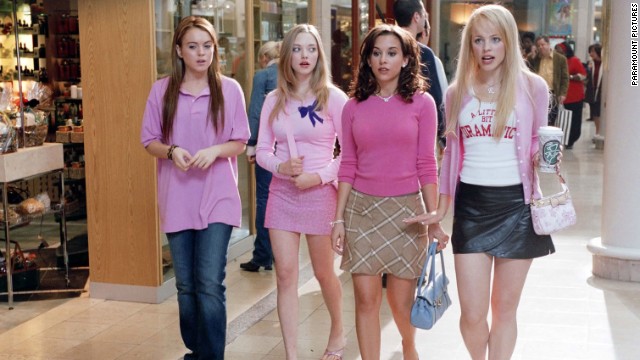
Meangirls

Flaky, backstabbing adolescent girls trying hard to live up to gender roles, conform, and fit in. I wouldn’t feel romantically inclined toward these teenagers, either (if I was gay, or if I was a boy).

Which leads me to the question of “liking” boys as a youngster– when romantic-me really doesn’t like them at all.

So who was my first crush? Who was the first male in my life who made me swoon? It took me a while to remember. And then I totally did remember–

It was this guy:

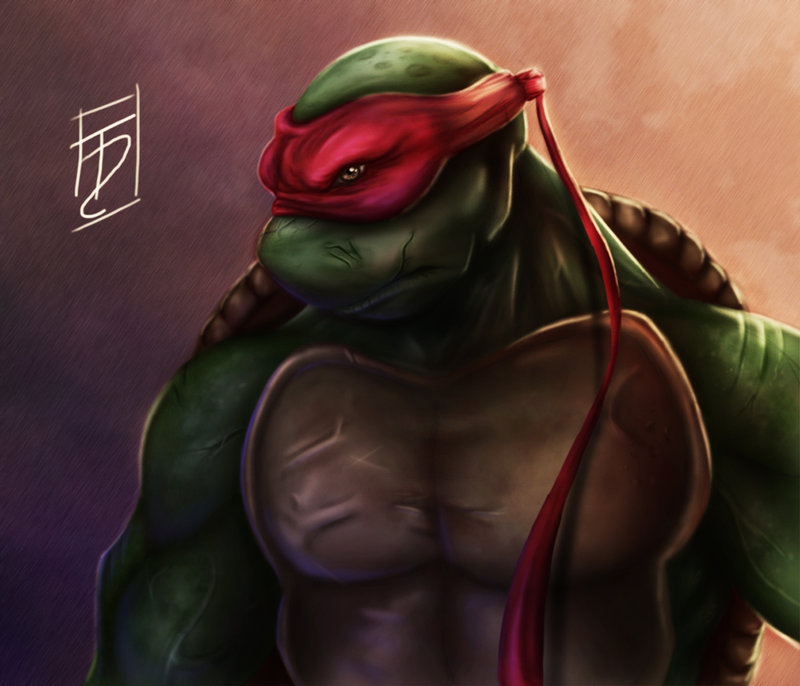
Raphael

Raphael. The Teenage Mutant Ninja Turtle.

I fell in love with this man-turtle, big time. It was a very consuming love. Because I didn’t just romantically love him, I also wanted to be him. I wanted to be Raphael.

I can feel the strength of that love even now, just looking at this cartoon picture of him. He was my first crush. Age 9. And he stayed with me, as my great crush, until I was 12, and I don’t think I ever stopped loving him, I simply stopped watching the cartoon. I never had a crush on a human boy (though I did go through the motions of “liking boys” in junior high, as all humans are actors and actresses when we need to be, and the pressure to “fit in” is never so intense as it is in junior high, and sometimes high school)– but my feelings for this cartoon man-turtle weren’t a ruse. They were very real, and very intense.

What is crazy in remembering this fact now, all these years later, is that I’m writing a book with a man named Rafael who is one of the stars, and he is written to be swoon-worthy and badass. My Rafael doesn’t fight with twin sai, but his weapon is about the length of sai (a bit longer), and he holds one in each hand. The story calls them khadga, and my Rafael is awesome with them.

I also spell his name with an f, rather than the ph, because I think it’s a prettier spelling, of course. (Cause me and my words… letters are as much art to me as anything else.)

I’ve been working on Mark of the Pterren for years now, on and off, and Rafael was always, always part of this tale, regardless of whether I consciously remembered my long-standing love of a Teenage Mutant Ninja Turtle or not. My Rafael also doesn’t have anger issues, as Raphael the mutant turtle did– but Raphael’s man-turtle anger and vulnerability show up in another main character in my story, in the character who is like the other half of “my Rafael” all through my tale, someone like his brother, but not a brother by blood.

I also find my memories about my first crush particularly funny right now since a new Teenage Mutant Ninja Turtle movie is opening this summer, though the turtles look a bit creepier than the cartoon turtles of my youth.

New Movie Pic

It should also be noted that this particular turtle– Michelangelo– was my least favorite turtle, because he was the most juvenile of the four. (“Cowabunga, Dude!”) I tolerated Michelangelo because he was “the favorite” turtle of two of my brothers (Lee and Mitch), while my brother Johnny and I would often get into fights over “who loved Raphael more.” (And I am not kidding about this, we would take turns quoting Raphael’s lines from the show– in increasingly louder and louder tones of voice, to the point of almost hitting each other– to prove our devotion and try to outdo one another in our worship-level of mighty Raphael and his badass sai. For me, Raphael was my one true love, so of course I thought I had my brother beat, but then again, Johnny could “be” Raphael a lot better than I could, as he had the correct genitalia, so he had me there. In the end, it was always a draw, but I think he still believes he loved Raphael more than me, and I still believe I loved Raphael more than him. This might have been the first battle of the heart either one of us ever fought. And you know what? It was totally worth it.)

I mean, just look at this cutie pie:

More Raphael

This Ninja Turtle just totally does it for me.

Raphael fighting

He even looks good as a plush!

Raphael Plush


Raphael was a great First Crush. I also think he’s as crush-worthy for me today as he was at age nine, and I don’t think every girl can say that about her first crush. But I was lucky enough to grow up with the Teenage Mutant Ninja Turtles, and they are awesome.

Posted in My Thoughts | 1 Comment